
What Is ServiceNow AI Agent Fabric? A Complete 2025 Guide
Defining “AI Agent Fabric”
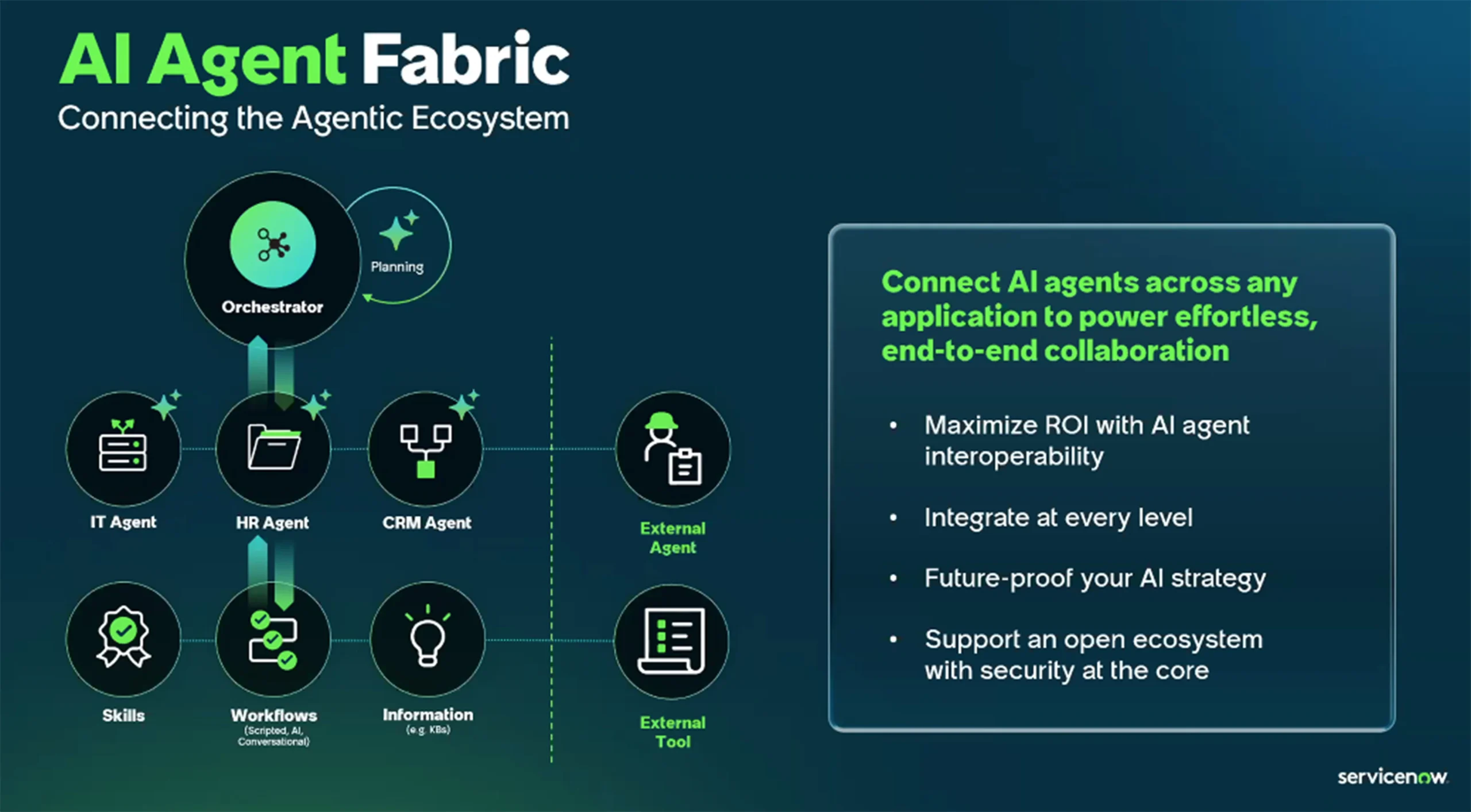
With the increasing adoption of AI solutions within business ecosystems, it becomes more vital to integrate technologies that can smoothly manage advanced AI workflows without violating security at the same time. One of the biggest concerns about the management of AI solutions is that they act mostly in isolation. AI Agent Fabric for ServiceNow workflow automation is exactly what you need to eliminate this issue.
(Photo Credit: ServiceNow)
In simple terms, AI Agent Fabric is an efficient space designed for AI agent collaboration. What makes AI agents better than traditional Generative AI solutions is that they can act more autonomously and independently. Therefore, minimum governance is necessary for AI agents, and when they are unified within the same data fabric, their performance reaches a new level of efficiency.
(Photo Credit: ServiceNow)
Why 2025 is the year enterprises need a fabric-based approach
At Teiva Systems, we believe that while fragmented AI solutions can operate efficiently, they often require manual governance — which ultimately reduces overall project value and productivity. ServiceNow integration with the AI Agent Fabric introduces a brand-new approach, facilitating the capabilities of the unifying layer that brings together diverse AI agents and makes their collaboration smoother and more cohesive.
ServiceNow API integration & development allows you to leverage the fabric-based approach for your enterprise’s digital ecosystem and get the following advantages:
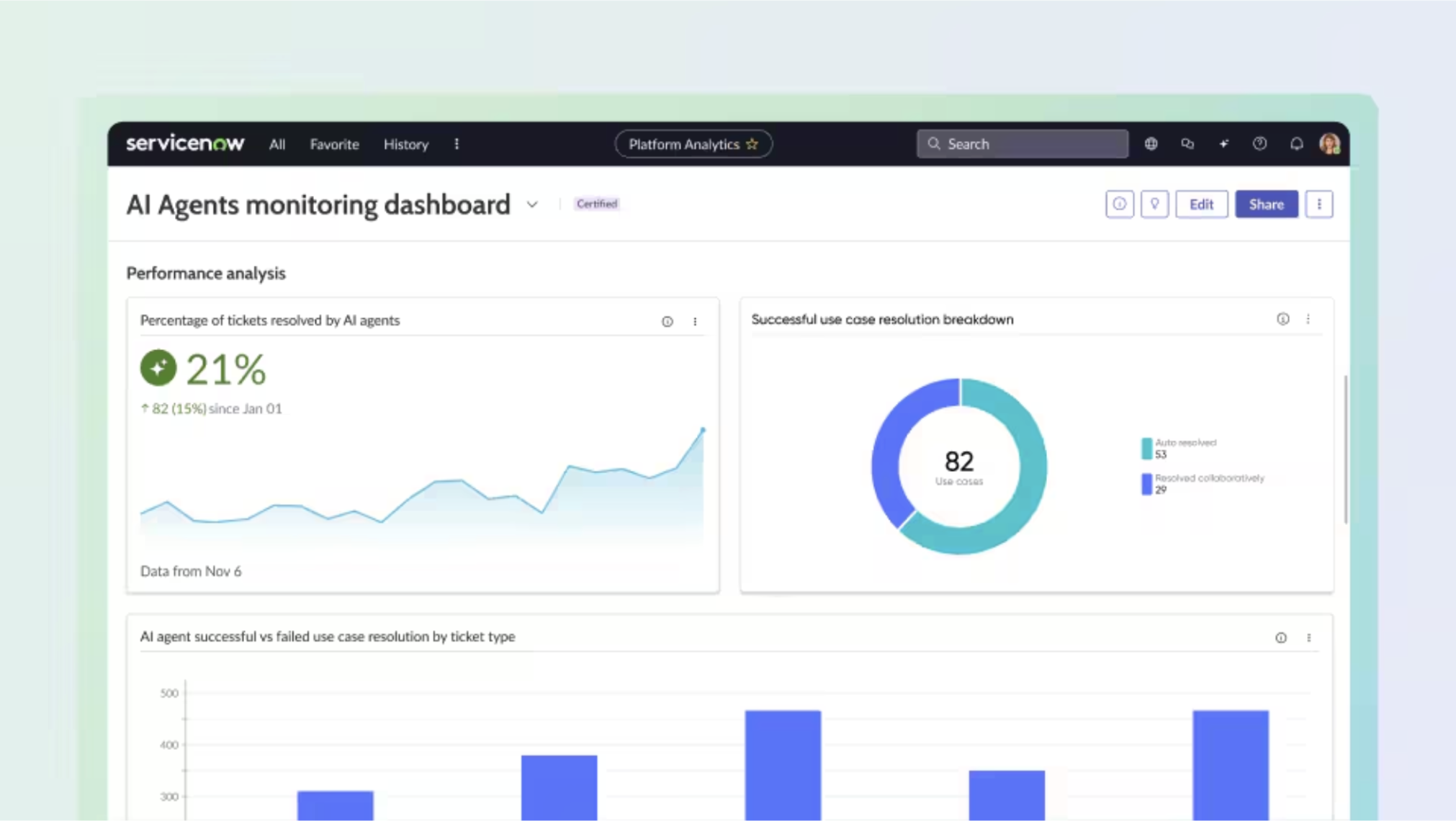
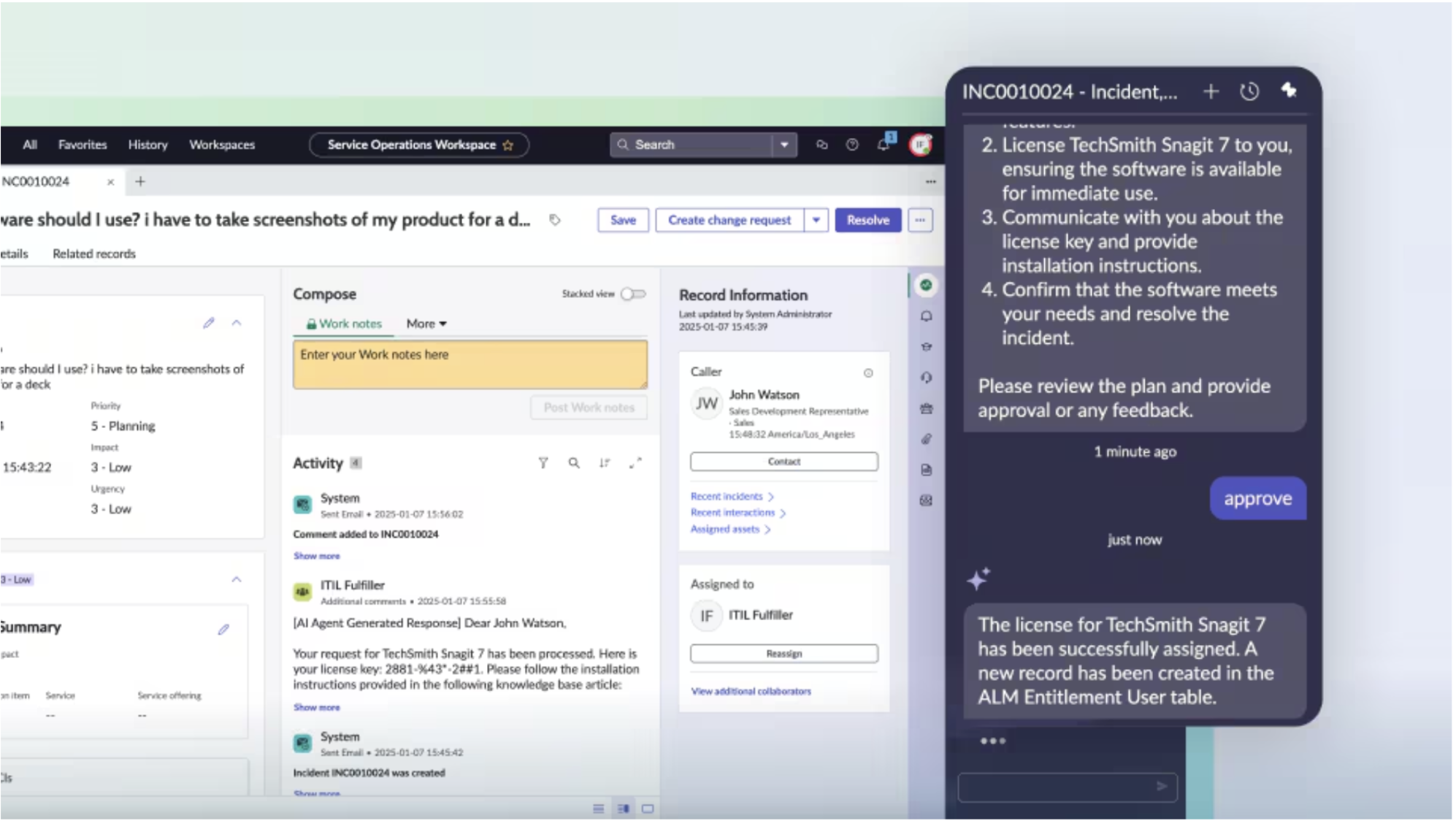
- Autonomous Operation: AI agents themselves are designed to work independently with minimum interference. However, ServiceNow workflow automation introduces the possibility to make their performance even more sophisticated. With AI Agent Fabric, AI agents not only perform complex tasks, learn, adapt, and make decisions independently but also exchange data within the same ecosystem in real-time.
- Strategic Imperative: The necessity of investing in AI agents is out of question these days. The question is how to implement them more efficiently and scale them within the existing ecosystems. AI Agent Fabric is the best answer to this question so far.
- Diverse Use Cases: AI agents are delivering tangible value across various functions, from performance optimization, cybersecurity monitoring, and software development to customer support, process automation, and predictive analytics.
Evolution of Agent Integration
Over the last few years, ServiceNow workflow automation solutions have evolved from the introduction of AI agents to their integration with advanced systems, like Control Tower and AI Agent Fabric. This opens new opportunities for businesses and enterprises as they can now not only automate basic workflow but also improve analytical capabilities and automated decision-making.
In addition to this, the integration of AI Agent Fabric is smoother than simply aligning different AI agents, as it can be integrated with both native and third-party solutions. This is how businesses accommodate new solutions to their existing ecosystems and current needs.
Architecture & Ecosystem
How should we define efficiency in the context of the digital architecture and ecosystem? Well, we believe that one important aspect is the ability of different components to communicate and share information with each other, regardless of their origin, whether native or third-party. This is actually an integral feature of the AI Agent Fabric that helps to achieve a unified objective by adhering to these 3 principles within its ecosystem:
- Real collaboration: No barriers will ever trouble you once you integrate the AI Agent Fabric, and it doesn’t matter whether they were developed within the ServiceNow AI platform or if they originate from a public cloud provider.
- No automation gaps: The necessity to jump between various AI systems might lead to unnecessary errors and result in the need for manual intervention. With AI Agent Fabric, you easily eliminate this need.
- Enhanced control: Centralized governance of AI Agents within the ServiceNow AI platform is necessary for efficient monitoring and management of the integrated AI agents. This is exactly what AI Agent Fabric does with all your tools.
(Photo Credit: ServiceNow)
Summary
To sum it up, ServiceNow platform solutions open new workflow automation perspectives that can push your productivity to a whole new level.
Serving as a unified data space, AI Agent Fabric enables your enterprise ecosystem to act smoothly, cohesively, and effectively with minimum interference.
Use these advantages to enhance the AI-based ecosystem of your business and win the competition in your specific niche in the long run.
Want to learn how AI Agent Fabric can transform your enterprise workflows? Our consultants at Teiva Systems are ready to provide expert advice, help with integration, and share real-world use cases.
Register or learn more on our official website → https://teivasystems.com/
Kostya Bazanov, Managing Director, Aug 05, 2025
Eager to take the next step? Contact us today!
Latest Articles
Teiva Systems at ServiceNow World Forum 2026 — London
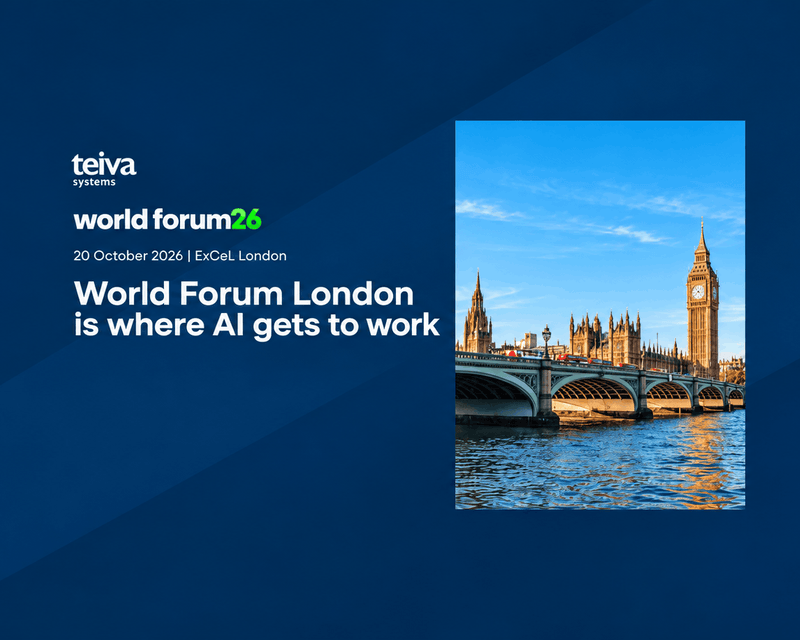
On October 20, 2026, Teiva Systems attended ServiceNow World Forum London at ExCeL London, where industry leaders, technology experts, and the ServiceNow community came together to explore how AI, intelligent automation, and digital workflows are transforming enterprise operations.
read more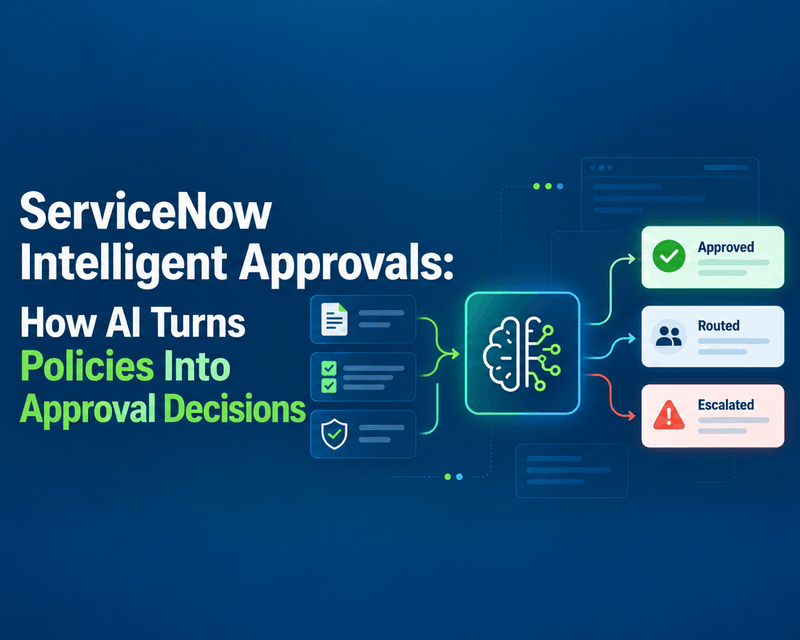
ServiceNow Intelligent Approvals: How AI Turns Policies Into Approval Decisions
What if your approval policies could make decisions, instead of sitting in documents waiting for someone to interpret them? For years, approval automation has followed the same pattern. Business teams write policies. Developers translate them into workflow conditions. Employees wait for someone to approve or reject their request, even when the outcome is obvious.
read more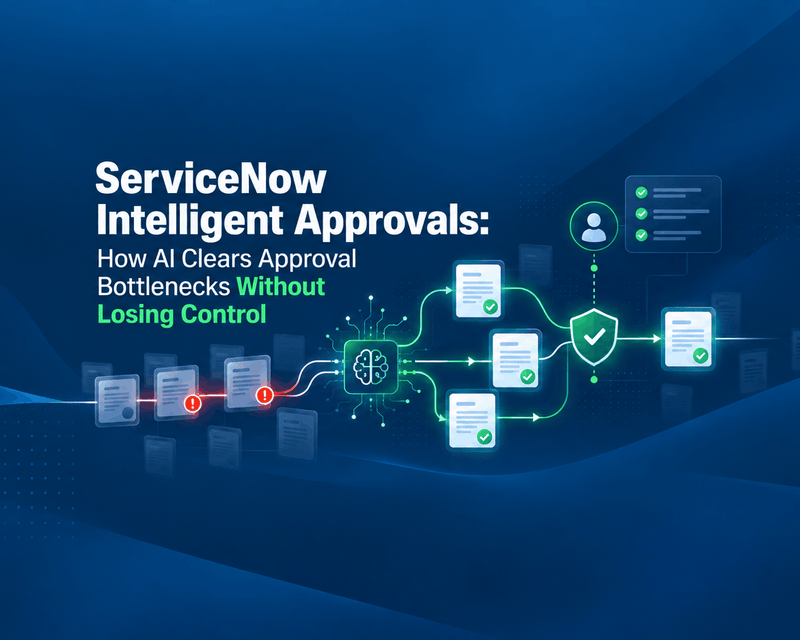
ServiceNow Intelligent Approvals: How AI Clears Approval Bottlenecks Without Losing Control
Your automation is fast. Your approvals are not. Organizations invest heavily in automation, AI and digital transformation. Yet many business processes still stall at the same point: waiting for someone to click “Approve.”
read more