
Managing Multi-Instance ServiceNow Deployments Effectively
In large organizations, using multiple instances of ServiceNow is not always an option: it is a business requirement. Separate departments, regional offices, or business units need autonomy in their processes. In such circumstances, ServiceNow multi-instance management becomes the only structured way to control the environment without losing the speed of operations.
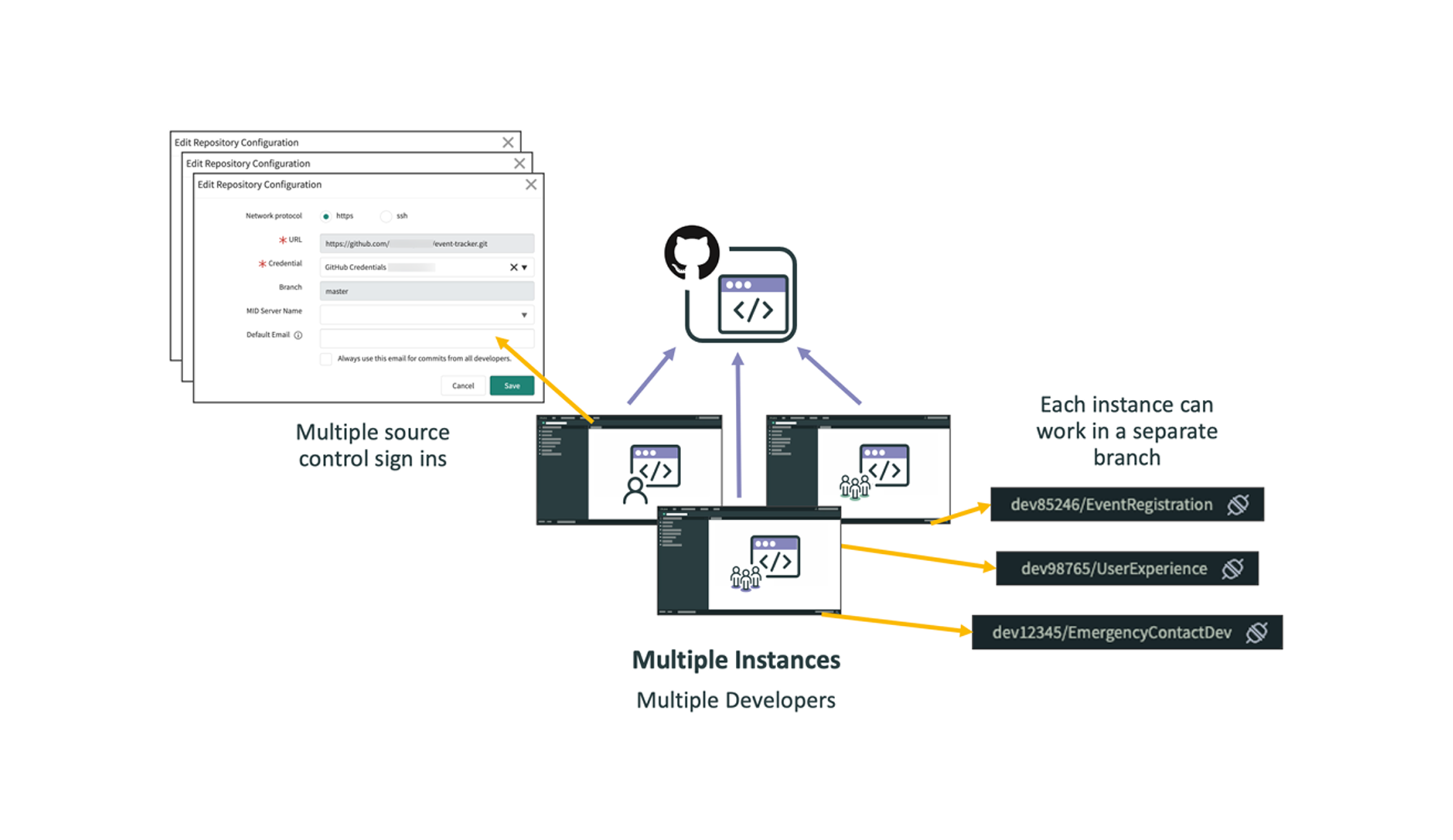
However, as the number of instances grows, risks arise: duplication of functionality, conflicting changes, and lack of coordination. Without a centralized approach, support becomes a point of constant overload.
Why Teams Go Multi-Instance in the First Place
Separation of environments is usually driven by practical reasons. In most cases, it is about legal compliance, differences in business processes, and the need for independent scaling. With ServiceNow cloud deployment services, you can give teams control over their processes, data, and rules without being tied to a single global approval cycle.
The most common division scenarios:
- separate regions with their data protection requirements;
- business units with different SLAs, processes, and support models;
- teams with different levels of ITSM maturity;
- data retention policies within a jurisdiction or independent operation.
Thus, ServiceNow multi-instance management is not about scaling for the sake of scaling. It is a way to formalize complexity and enable decentralized decision-making where it is needed.
The Issues Start When No One’s Coordinating
The number of events is not an issue in itself. Difficulties arise when there is no centralized coordination. In such cases:
- integrations are implemented differently in each environment;
- platform versions are out of sync;
- changes are implemented without coordination between teams;
- there is no unified documentation or solution library.
This results in duplicated effort, incompatible upgrades, and a higher support load. It is common for one team’s functionality to exist in another setting, yet go unnoticed.
Learn how native ServiceNow workflows helped avoid such duplication and streamline system maintenance.
How to Make It Manageable Without Making It Slow
Full unification is not always realistic, but a basic level of consistency is necessary. The basis for effective management is change control, synchronization of releases, and assignment of responsibilities.
The recommended structure for ServiceNow multi-instance management includes:
- a platform architect or owner is responsible for coordination;
- CI/CD pipelines that provide unified automation;
- regular audits to identify repetitive configurations;
- solution catalog to avoid duplication;
- clear management of integrations via API Gateway or middleware;
- central dashboards for tracking and ServiceNow instance replication;
- synchronized update cycles for all instances.
These fundamental components enable you to organize work without the need for strict control, while remaining adaptable in local situations.
You Can’t Manage What You Can’t See
Management requirements are fully visible. Teamwork is difficult without a detailed map of environmental links and status. That is why ServiceNow CMDB for cloud infrastructure is so important, as it provides up-to-date information on instance structure, integration nodes, and technical requirements.
Furthermore, this data should be used to inform ServiceNow cloud scalability strategy, allowing the platform to scale seamlessly. Having an updated CMDB helps you to:
- quickly identify version or change conflicts;
- assess the impact of updates before they are implemented;
- plan infrastructure expansion based on actual load.
Effective ServiceNow multi-instance management doesn’t isolate each instance; instead, it unifies them under a single strategy that delivers scalability, control, and flexibility.
ServiceNow multi-instance deployment isn’t a problem; unmanaged complexity is. With the right balance between autonomy and governance, enterprises can achieve:
- Faster time to market across units.
- Lower support overhead.
- Consistent platform upgrades.
- Clear architectural oversight.
Whether you’re scaling globally or consolidating legacy systems, unified multi-instance management provides the structure you need to stay flexible and in control.
Oleksii Konakhovych, CTO, Jul 18, 2025
Eager to take the next step? Contact us today!
Latest Articles
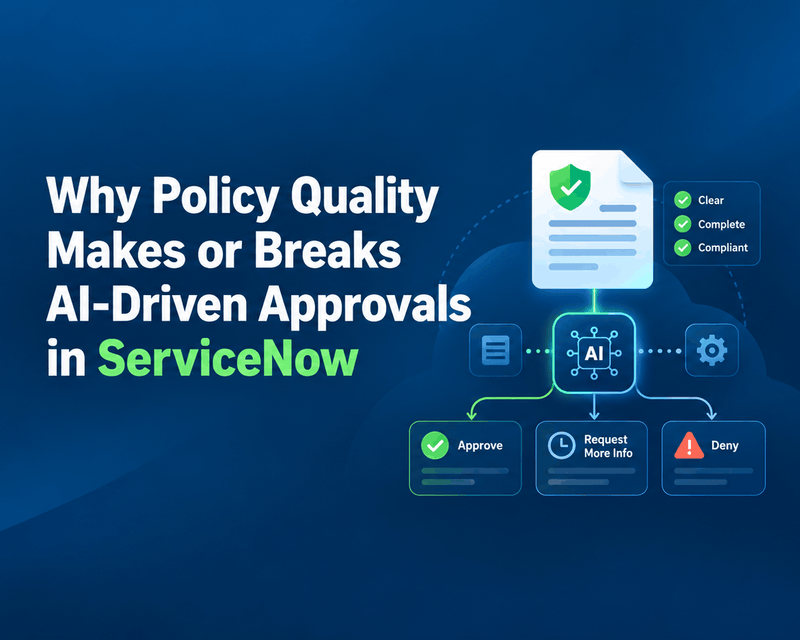
Why Policy Quality Makes or Breaks AI-Driven Approvals in ServiceNow
Why Policy Quality Makes or Breaks AI-Driven Approvals in ServiceNow AI can make approval decisions in seconds. It can also make the wrong ones, consistently, if the policy behind them is vague. As enterprises bring AI-driven approvals into ServiceNow, attention goes straight to automation: faster decisions, fewer manual tasks, shorter approval queues. One factor gets […]
read more
Teiva Systems at ServiceNow AI Summit 2026 — Munich
On October 7, 2026, Teiva Systems joined the ServiceNow AI Summit in Munich, where industry leaders, innovators, and the ServiceNow community came together to explore the next chapter of enterprise AI and intelligent automation.
read more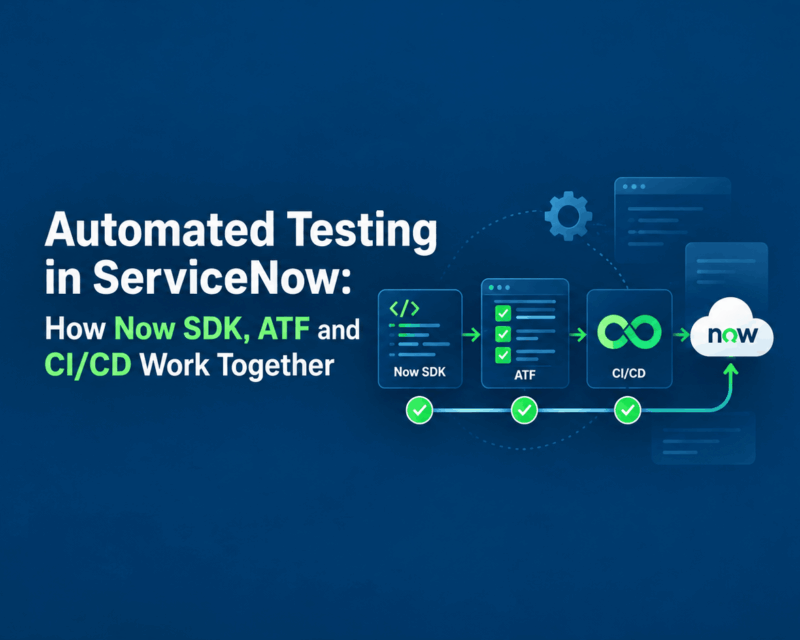
Automated Testing in ServiceNow: How Now SDK, ATF and CI/CD Work Together
Automated Testing in ServiceNow: How Now SDK, ATF and CI/CD Work Together Automated testing in ServiceNow is becoming more important, not because ATF or CI/CD are new concepts, but because the way they can work together is changing the development lifecycle itself. As ServiceNow moves toward a more source-driven engineering model, testing is becoming less […]
read more