
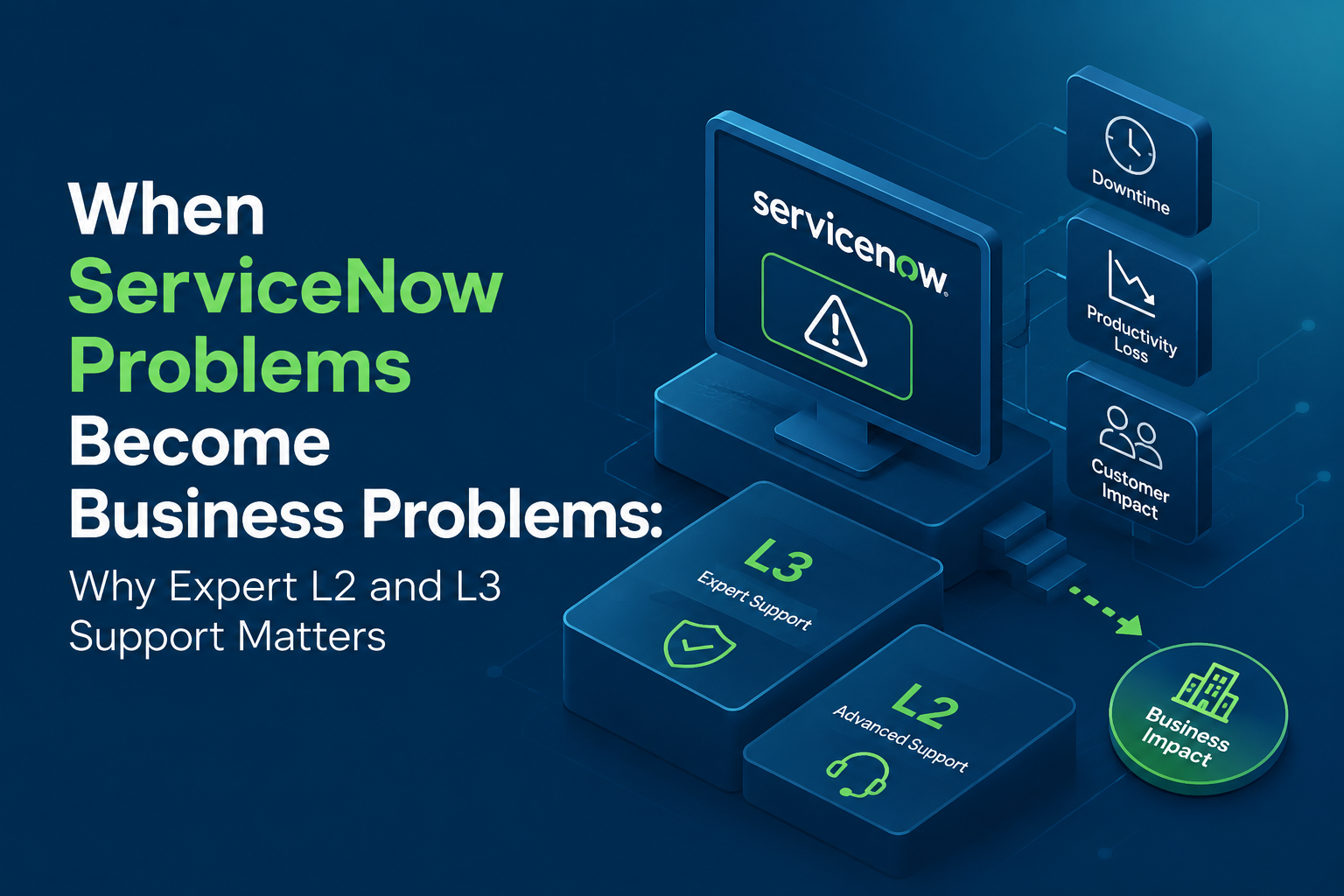
When ServiceNow Problems Become Business Problems: Why Expert L2 and L3 Support Matters
How specialized ServiceNow technical support can reduce downtime, resolve recurring issues, and keep your platform performing at its best.
Your ServiceNow platform sits at the center of critical workflows. When it slows down, breaks, or behaves unpredictably, the impact reaches far beyond IT: employees lose time, service teams miss targets, customers wait, and transformation initiatives stall.
The first instinct is often to fix the immediate ticket and move on. But recurring incidents, unstable customizations, integration failures, and performance bottlenecks usually demand more than a quick workaround. They require specialized ServiceNow L2 and L3 support that can diagnose what happened, correct it, and reduce the chance of it happening again.
The Hidden Cost of Reactive ServiceNow Support
A platform can appear operational while technical debt quietly grows underneath it. Hotfixes accumulate. Custom applications become harder to maintain. Integrations fail intermittently. Teams spend more time firefighting and less time improving workflows.
Warning signs that your organization needs stronger ServiceNow technical support include:
- Recurring incidents that return after temporary fixes.
- Slow response or resolution when issues move beyond basic help-desk troubleshooting.
- Performance degradation across high-volume workflows or business-critical modules.
- Limited internal capacity for upgrades, patches, custom apps, integrations, or security reviews.
- Poor visibility into ticket status, SLA performance, recurring causes, and platform health.
At this point, support is not only an operational function. It is part of protecting the value of your ServiceNow investment.
What Is the Difference Between ServiceNow L2 and L3 Support?
The right support tier depends on the complexity of the issue and the capabilities already available inside your team.
ServiceNow L2 Support: Reliable Expert Backup
L2 support is designed for organizations with an internal L1 or service-desk team that needs experienced help with incidents, configuration, platform questions, and stability. Typical work includes incident triage, break/fix resolution, bug identification, hotfix delivery, data and configuration management, patching, SLA monitoring, and monthly planning reviews.
ServiceNow L3 Support: Deep Technical Escalation
L3 support addresses problems that require senior engineering judgment. It adds root cause analysis, architecture and code review, custom application troubleshooting, performance tuning, integration and API debugging, Creator Workflow support, and security advisory. The goal is not simply to close a ticket—it is to solve the underlying technical problem.
What Expert ServiceNow Support Should Cover
Effective ServiceNow managed support services should combine fast incident response with proactive platform care. The support model should cover:
- Break/fix and bug resolution. Resolve platform errors and unexpected application behavior quickly.
- Incident and ticket handling. Classify, route, track, and document requests with full visibility.
- Root cause engineering. Investigate recurring problems at configuration, code, integration, or architecture level.
- Platform security and performance. Identify bottlenecks, review platform health, and strengthen the environment.
- Custom app and workflow support. Maintain bespoke applications, Creator Workflows, and integration layers.
- Monitoring and reporting. Track applications and SLA performance, then turn recurring patterns into an improvement plan.
Why 24/7 Coverage and Clear SLAs Matter
Business-critical incidents do not wait for a convenient time zone. A dependable support model needs defined priorities, named escalation paths, and response targets that match business impact.
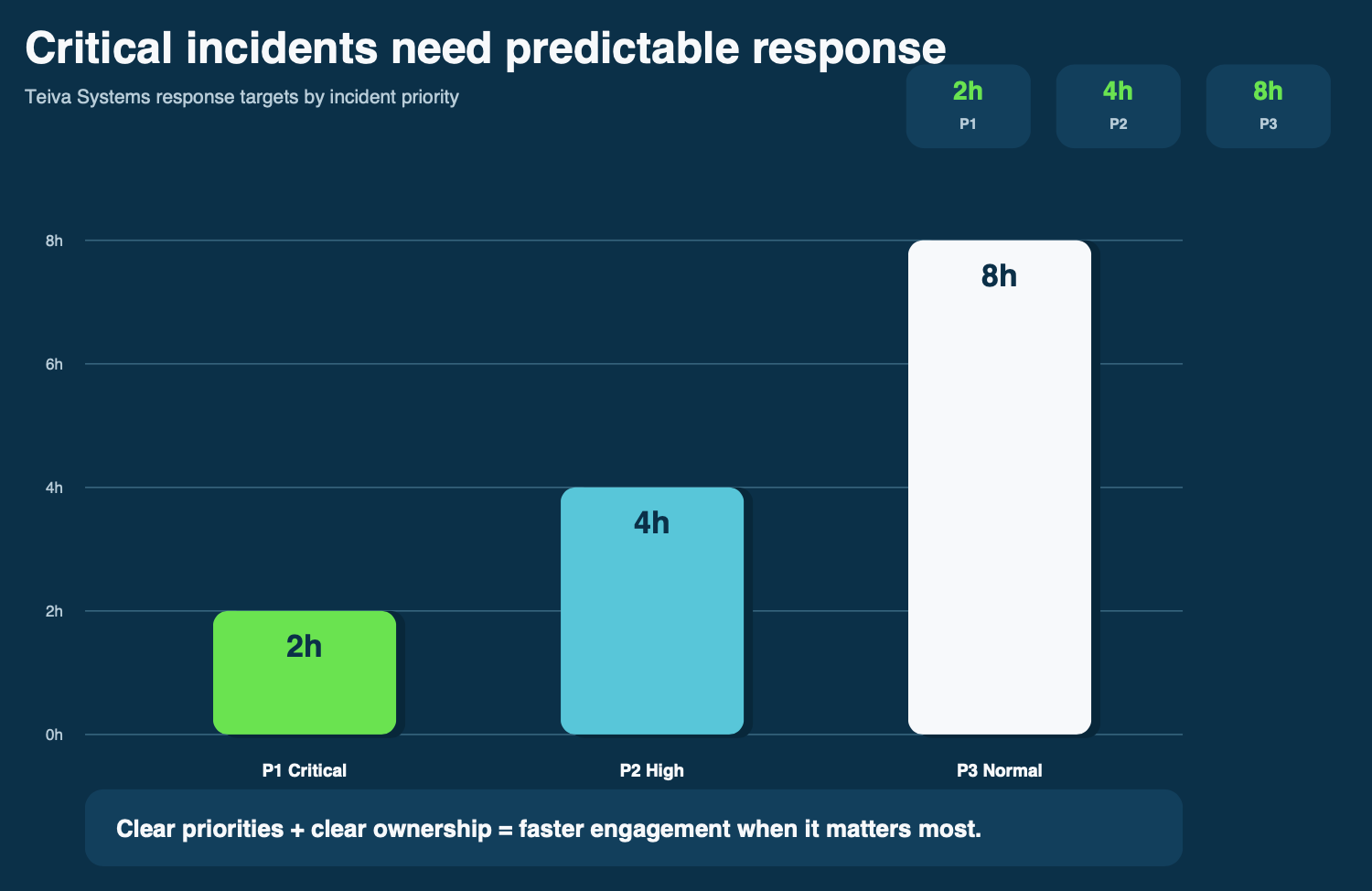
Teiva Systems provides support across all time zones, with a two-hour response target for P1 critical incidents, four hours for P2 high-priority incidents, and eight hours for P3 normal requests. Tickets can be submitted through JIRA, ServiceNow Service Management, email, or phone depending on priority. Each issue moves through a transparent process: submission, triage, investigation, resolution, documentation, and review.
What to Look for in a ServiceNow Support Partner
Before choosing a provider, ask whether the team can support your full ServiceNow ecosystem—not only standard incidents. Strong providers should offer:
- Certified ServiceNow engineers with both functional and technical depth.
- L2 and L3 capabilities so complex issues do not stall between vendors.
- Experience across modules including ITSM, ITOM, CSM, IRM, HRSD, Creator Workflows, custom applications, security, and performance.
- Clear communication with visible ticket history, structured reporting, and regular planning reviews.
- Proactive support that improves stability instead of only reacting to failures.
Why Organizations Choose Teiva Systems
Teiva extends internal teams with certified ServiceNow expertise, covering routine L2 work and advanced L3 engineering. The service combines 24/7 availability, support in English, German, and Spanish, 15+ years of ServiceNow experience, and an 85%+ first-call resolution rate.
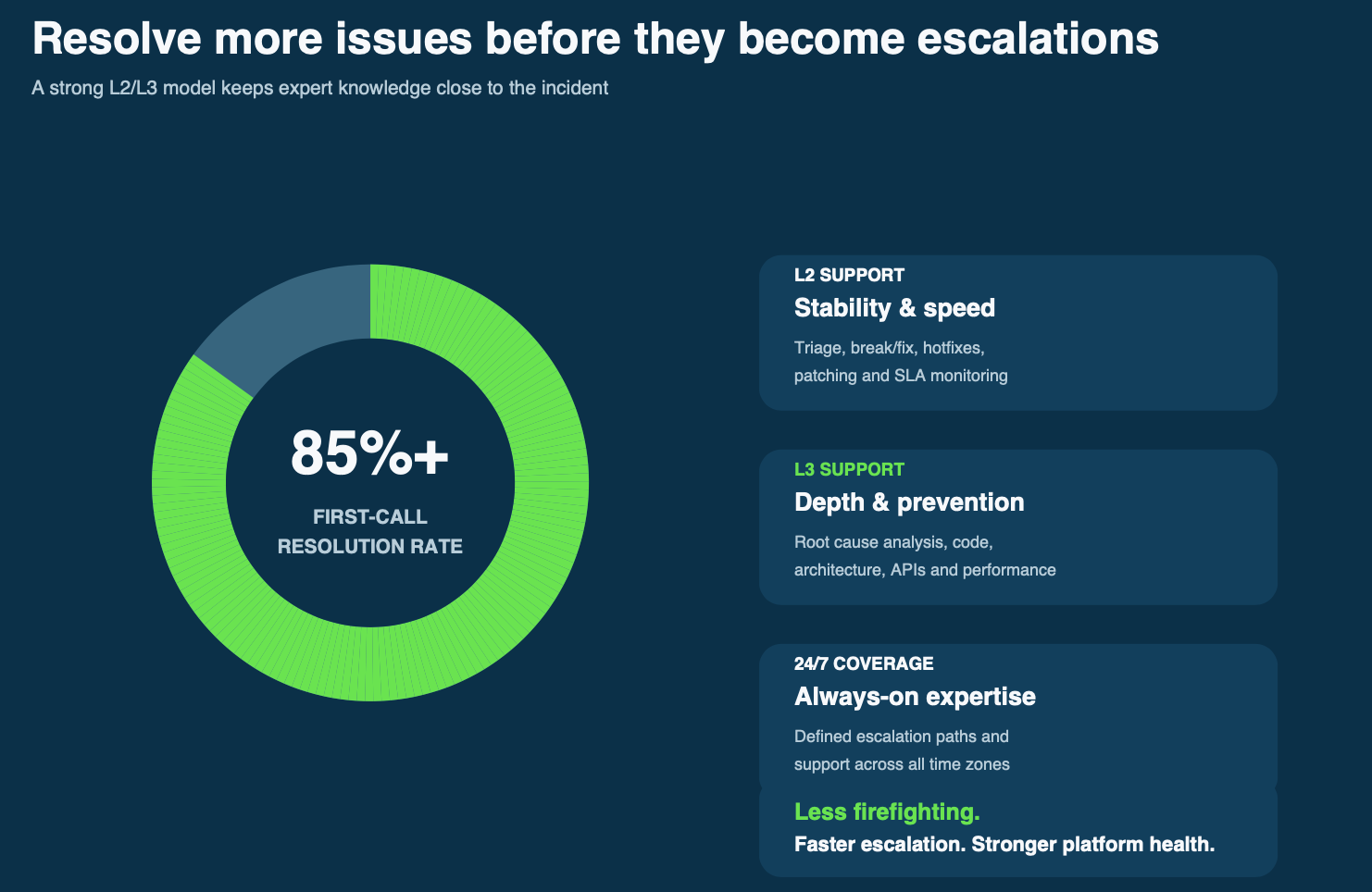
For organizations, that means less downtime, faster escalation, stronger platform health, and more time for strategic improvements. For boutique ServiceNow partners, it creates a scalable way to hand off ongoing support while remaining focused on implementation and delivery.
ServiceNow Technical Support FAQ
When should we outsource ServiceNow technical support?
Consider external support when your internal team is overloaded, recurring incidents remain unresolved, specialist skills are missing, or you need broader coverage without adding permanent headcount.
Can L2 and L3 support work with our internal team?
Yes. L2 can back up an internal L1 team, while L3 handles deep escalations. The model extends your existing capabilities rather than replacing them.
Does technical support include custom applications and integrations?
Yes. Teiva supports custom applications, Creator Workflows, integration layers, APIs, platform configuration, performance, and security.
How are critical incidents handled?
P1 and P2 issues are escalated immediately to an on-call certified engineer according to defined response targets and the agreed support package.
Ready to Protect Your ServiceNow Investment?
Talk to Teiva’s ServiceNow support experts about the right L2 or L3 package for your environment.
Explore ServiceNow Technical Support Services →
Oleksii Konakhovych, CTO, Aug 18, 2026
Eager to take the next step? Contact us today!
Latest Articles
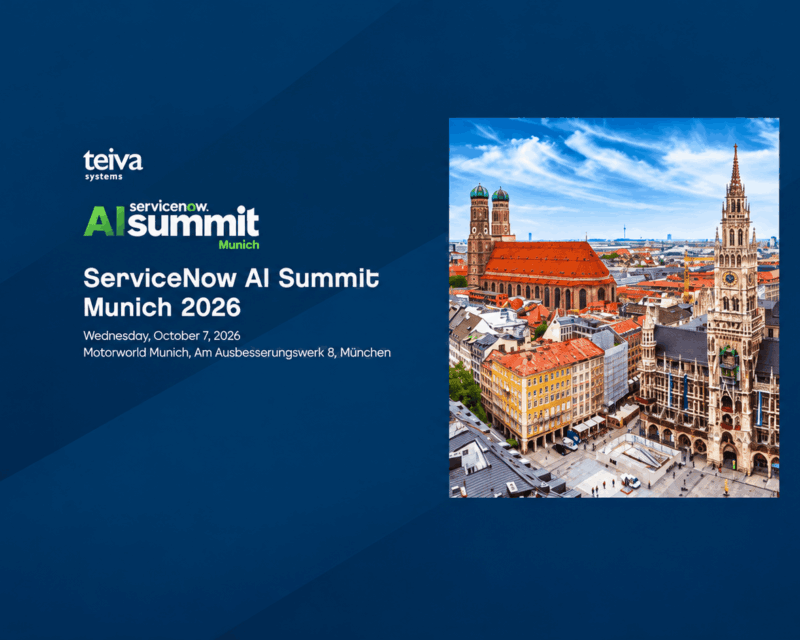
Teiva Systems at ServiceNow AI Summit 2026 — Munich
On October 7, 2026, Teiva Systems joined the ServiceNow AI Summit in Munich, where industry leaders, innovators, and the ServiceNow community came together to explore the next chapter of enterprise AI and intelligent automation.
read more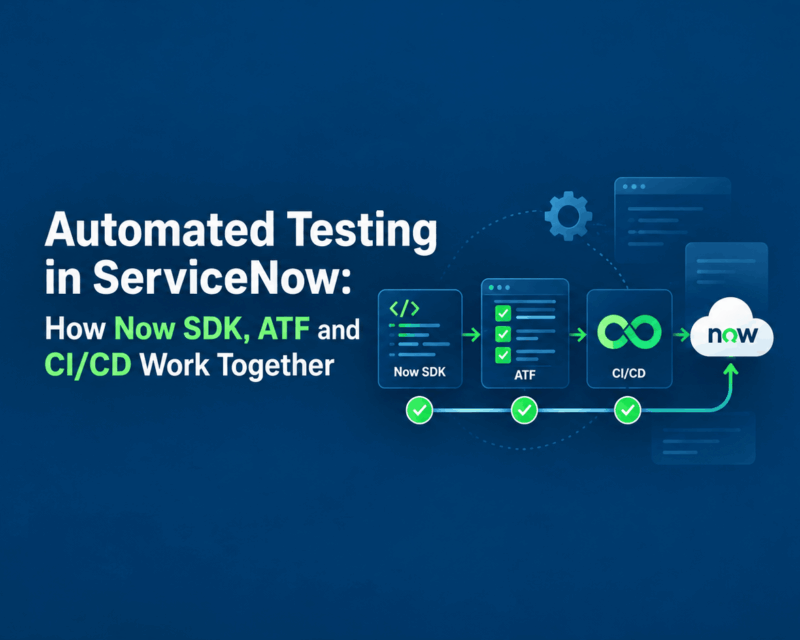
Automated Testing in ServiceNow: How Now SDK, ATF and CI/CD Work Together
Automated Testing in ServiceNow: How Now SDK, ATF and CI/CD Work Together Automated testing in ServiceNow is becoming more important, not because ATF or CI/CD are new concepts, but because the way they can work together is changing the development lifecycle itself. As ServiceNow moves toward a more source-driven engineering model, testing is becoming less […]
read more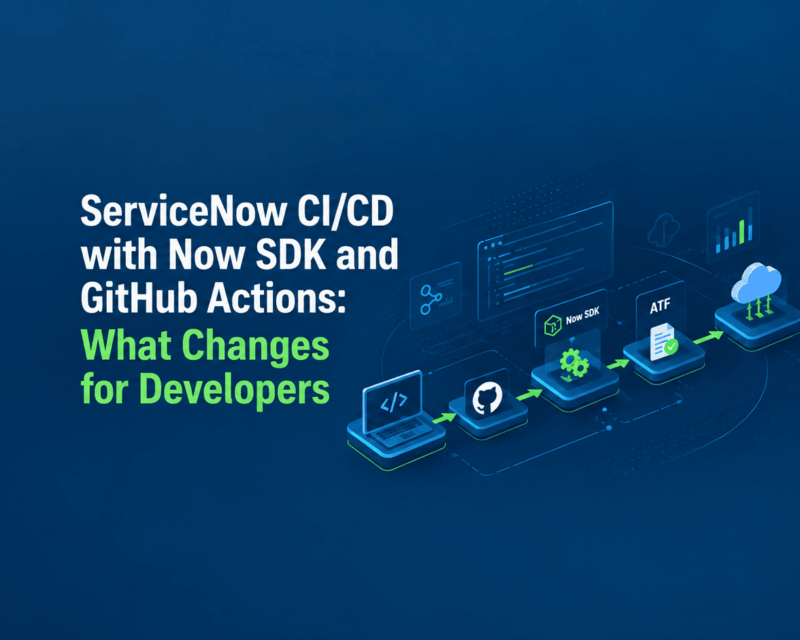
ServiceNow CI/CD with Now SDK and GitHub Actions: What Changes for Developers
The Now SDK connects ServiceNow application development to GitHub Actions CI/CD pipelines — bringing pull-request quality gates, automated ATF testing, and controlled release governance to a platform that has historically required its own isolated delivery process.
read more