
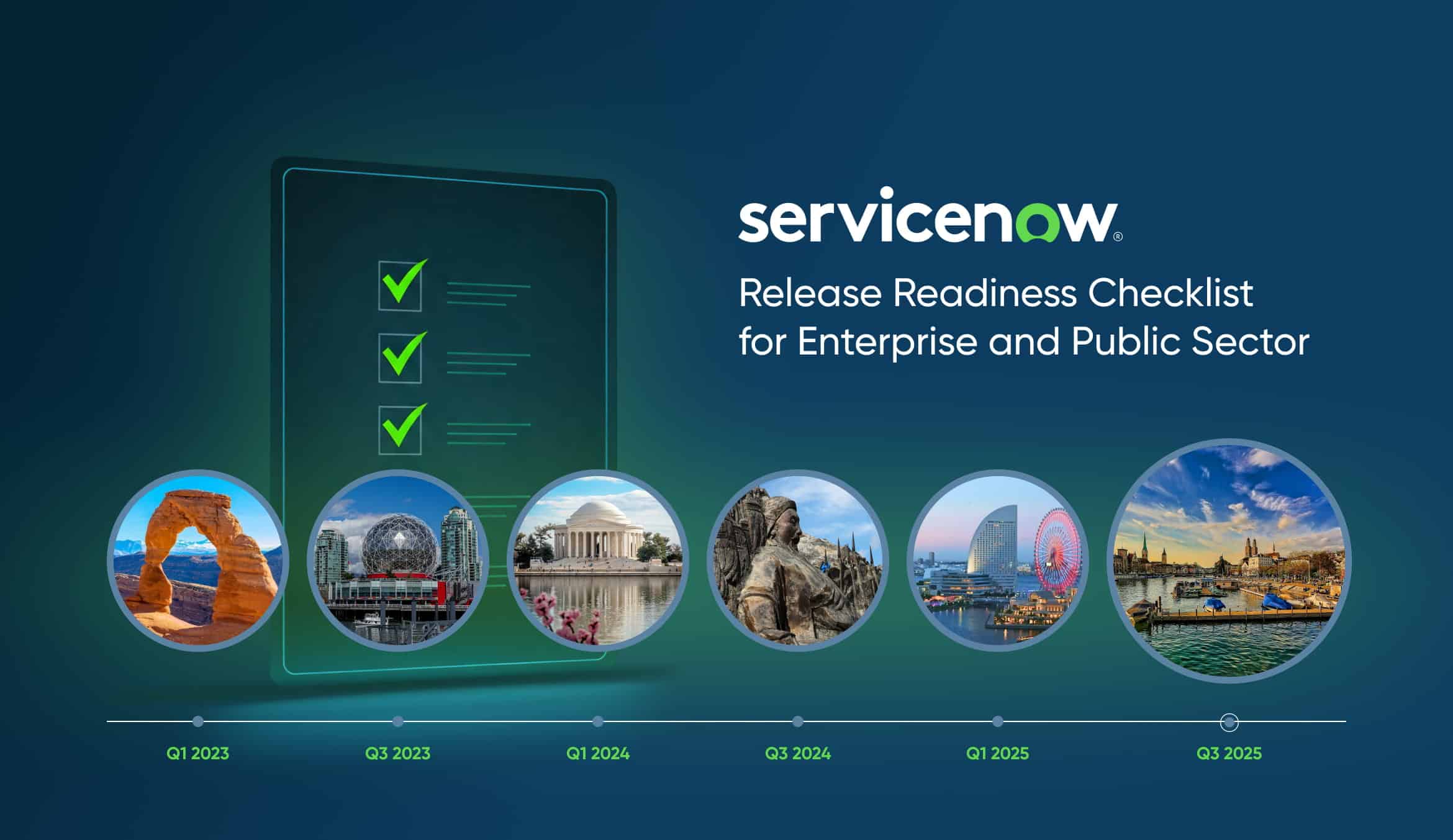
ServiceNow Release Readiness Checklist for Enterprise and Public Sector
Every time ServiceNow updates, things get better – yet duties grow too. Big companies and agencies might feel only minor issues, though reality often tells another story. One slip could ripple through vast teams, impacting essential systems without warning.
Thanks to this, checking every box in ServiceNow release readiness checklist before launch isn’t optional – it becomes essential for keeping things steady. This process guides groups step by step without losing key details. It keeps everyone on track during setup tasks.
Purpose of a release readiness checklist
Down the center of every checklist sits clarity. Where confusion once lived, now comes clarity – shaping messy rollouts into doable tasks. No more hunting for hints or piecing things together from scattered thoughts. One clear place to look becomes the team’s steady guide.
Ahead of major rollouts, teams often rely on a ServiceNow checklist to stay on track. From different departments comes clarity, ending confusion between operations and leadership. Big companies find value when tasks require precise oversight – here it delivers. What counts most is having a solid way forward. That way, progress stays steady without slipping.
Technical checks before a release
At once, make sure functions haven’t failed. Look back at past drafts, then scan code bits that remain. Working from memory leads nowhere – compare fresh sections against original ideas. When things match today’s setup, operations stay smooth – no glitches.
This spot helps start checking if system changes go smoothly. Your current setups matter – make sure server status is clear, also verify each task’s settings expect new updates without issues. This step tends to involve:
- Stay up to date with fresh changes, catch the main tweaks happening now
- Cloning production to a test environment for safe validation
- Checking system performance and instance health reports
- Checking how things are set up at the root level
- Checking how scripts and business rules fit together when it comes to compatibility.
Early detection of issues becomes possible when teams follow these actions. Stability builds slowly through each ready step taken during upgrade readiness phases.
Custom application and integration review
What usually gets the most attention are custom apps and integrations. These pieces tie ServiceNow to outside tools and company-specific workflows.
Ahead of any launch, each part needs close examination. Teams review APIs, study how data moves, making sure outside systems still fit. Compatibility stays central during this stage.
For large organizations using enterprise ServiceNow, this step is critical because integrations frequently support core operational services.
Data, security, and access validation
From time to time, access shifts without warning. A new version could change permissions overnight. Roles might act differently now than before. Sometimes secrets appear locked away where they weren’t before.
Now comes scrutiny of who enters, what rules are followed, also where data hides. Inside, checks ensure vital info doesn’t leak, yet roles still match office norms. Careful review of records supports normal work flow plus meets regulatory demands.
Testing and rollback planning
Results show prep worked as expected. Workflows, links, and how users interact get tested just like in actual use. Does this matter? It lets team members feel sure about what was built.
Here’s what happens: checking the system ties directly to release validation, showing it works well enough for live deployment. Yet backups prevent disasters from unfolding. If something odd occurs, reverting the setup preserves safety – worry fades when data reappears without fuss
Governance and sign-off requirements
When things run at scale – whether for companies or public agencies – oversight matters most. Approval from everyone involved must happen before the release goes live.
Most sign-offs involve IT leaders, security personnel, and those who manage business functions. When these groups agree, it means risk has been clarified, testing done properly, and the team ready to proceed.
This final step protects platform stability and ensures accountability at every level. Ahead of deployment, steps unfold without confusion. Check what has shifted, make sure systems are ready, look at any unique parts built in. Then handle information safety and who gets in, run full tests, done. If people know how it runs each time, rollouts stop being chaotic.
Here is the part Teiva truly adds worth. Our consultants know the technical depth of ServiceNow inside out, yet also grasp how complex large enterprises and public sector organizations can be. We step in to organize how teams prepare, clear clutter from choices, make clear steps, and move steadily through every item on the checklist without hesitation.
Slava Trotsenko, CEO, Mar 10, 2026
Eager to take the next step? Contact us today!
Latest Articles

Teiva Systems at ServiceNow AI Summit 2026 — Munich
On October 7, 2026, Teiva Systems joined the ServiceNow AI Summit in Munich, where industry leaders, innovators, and the ServiceNow community came together to explore the next chapter of enterprise AI and intelligent automation.
read more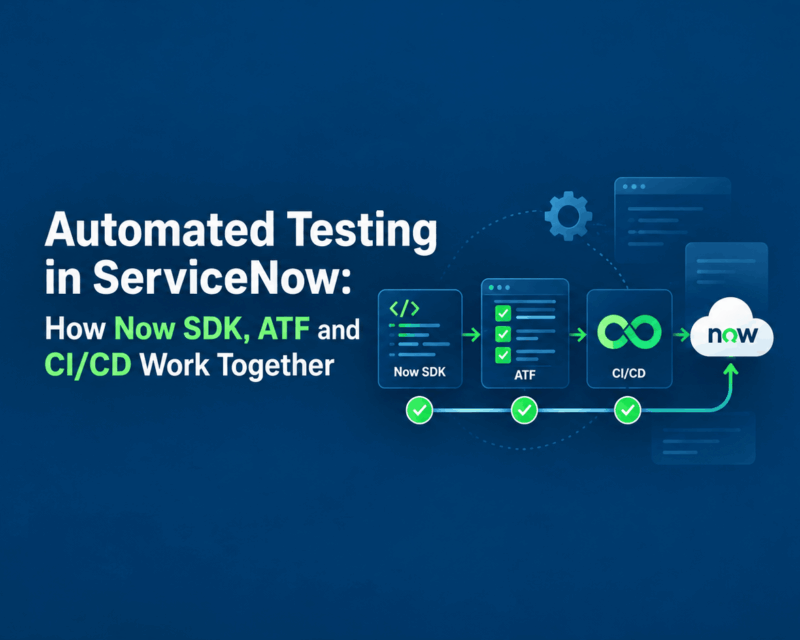
Automated Testing in ServiceNow: How Now SDK, ATF and CI/CD Work Together
Automated Testing in ServiceNow: How Now SDK, ATF and CI/CD Work Together Automated testing in ServiceNow is becoming more important, not because ATF or CI/CD are new concepts, but because the way they can work together is changing the development lifecycle itself. As ServiceNow moves toward a more source-driven engineering model, testing is becoming less […]
read more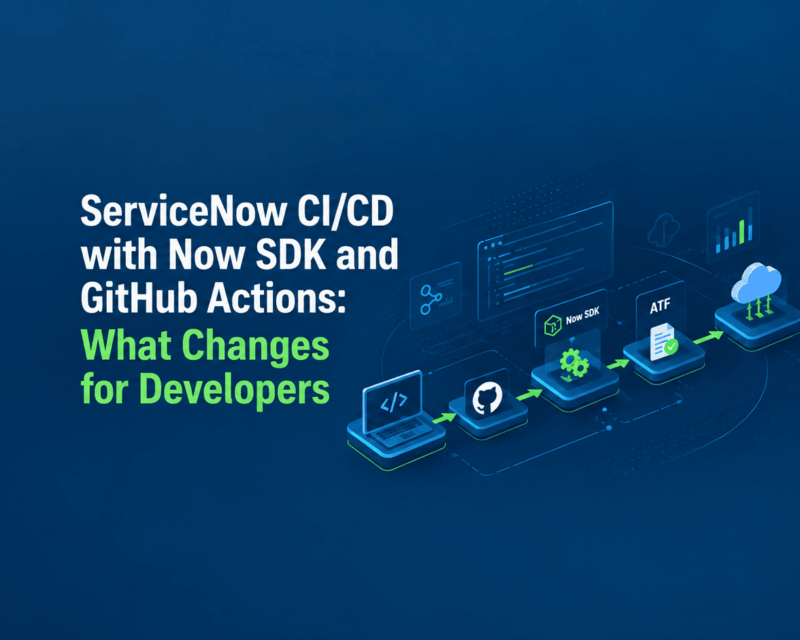
ServiceNow CI/CD with Now SDK and GitHub Actions: What Changes for Developers
The Now SDK connects ServiceNow application development to GitHub Actions CI/CD pipelines — bringing pull-request quality gates, automated ATF testing, and controlled release governance to a platform that has historically required its own isolated delivery process.
read more