
Operating a ServiceNow Center of Excellence (CoE): Governance in Practice
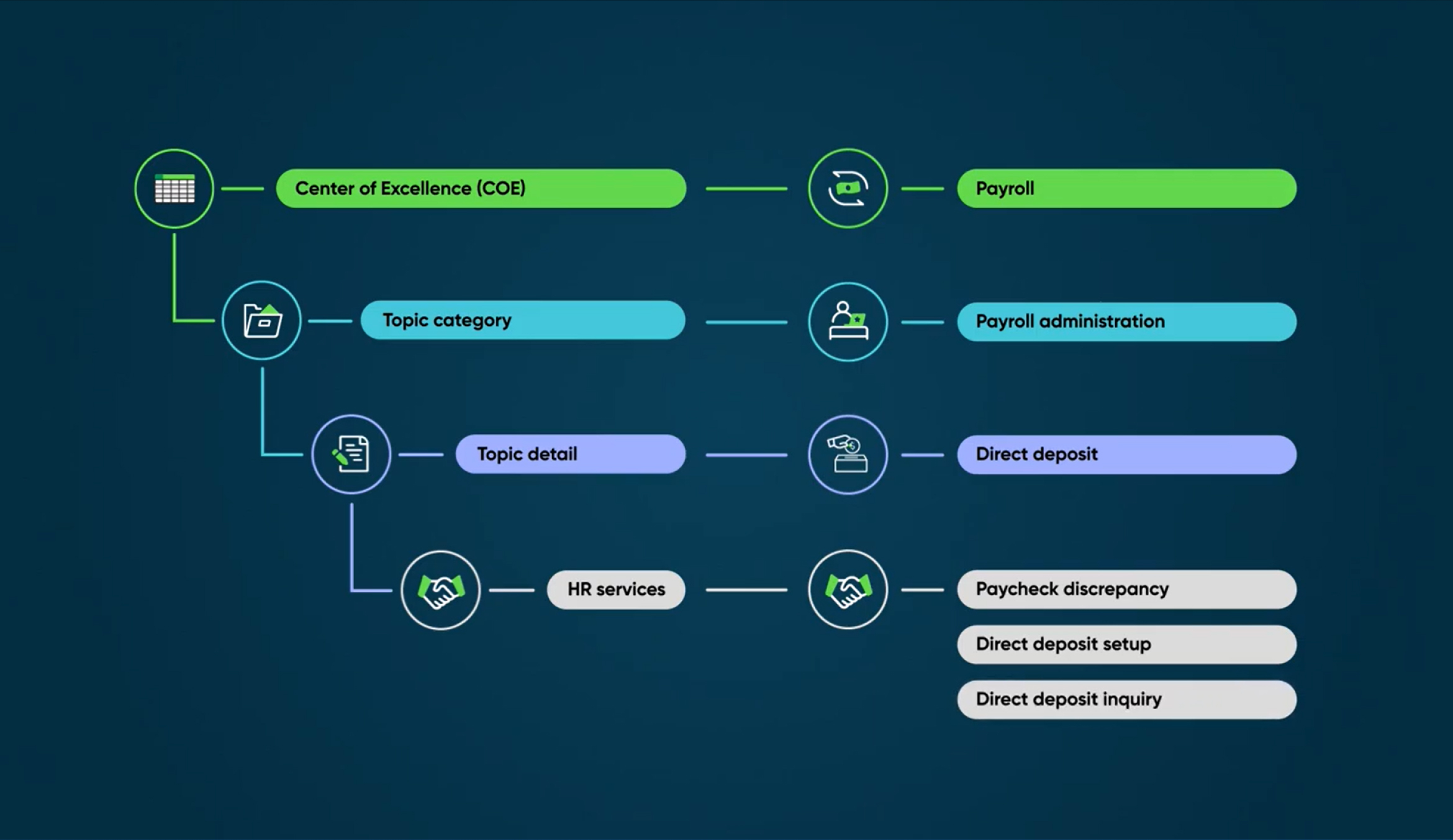
ServiceNow Center of Excellence is a perfect framework for businesses that want to turn their governance tactics from theory to reality. It can serve as an optimizable operational backbone that aligns your strategy and delivery.
With a CoE under your control, you can fill the gap between your departments responsible for technology adoption, architecture, and data, ensuring seamless performance overall.
What a ServiceNow Center of Excellence Is
Establish your ServiceNow CoE to diversify and solidify your control and communication channels within your company. Instead of making assumptions that your business requires customization, get expert insight from responsible specialists on board, creating new standards for scalable governance in your case.
This service aims to interpret strategic vision and turn it into supervised execution that aligns with your business goals. Maximize the use of ServiceNow tools with your CoE to bring fruitful results to the table:
- Enhanced transparency for executives;
- Reduced ungoverned and “unnoticed” customization;
- Predictable and optimizable delivery velocity;
- Stronger communication channels between departments, with more trust in how things operate in general.
A CoE isn’t a simple administrative layer within your company. It accelerates decision-making values, establishing a bridge between development strategies and technical execution.
Why a CoE Supports Platform Governance
Without further ado, let’s highlight the connection between platform governance instruments and a ServiceNow Center of Excellence:
- Translating policies and new updates into daily delivery practices;
- Ensuring transparency in the platform’s operational processes;
- Safeguarding the adoption of new security and architectural standards.
As your platform grows, it’s essential to keep control of its data flows and prevent unauthorized parties from supervising its decision-making models and channels. Minimize the risk of the following:
- Data quality degradation;
- Compliance and security gaps;
- Conflicting solutions;
- Inaccurate task completion;
- Ungoverned customization, and more.
ServiceNow supports you with a wide range of features, including central oversight of custom applications and controlled architecture and design reviews. Through a CoE, reinforce multi-stage performance control rather than individual responsibilities only, which lets your platform thrive even if something goes wrong.
How CoE Governs Demand, Design, and Delivery
Upgrade management tactics for your endeavor with ease – everything for a balanced development course and consistent performance. You turn to the roots of value-driven operations instead of a request-based decision execution model.
| Stage | CoE Role | Governance Result |
| Demand | Intake and shaping | Aligned priorities |
| Design | Architecture review | Scalable solutions |
| Delivery | Release governance | Reduced risks |
| Post-release | Value tracking | Continuous and supervised improvement |
Enforce a structured operational flow for your brand, analyzing several processes from previously overlooked perspectives.
Typical CoE Roles and Responsibilities
Whichever delivery governance strategy you decide on, a ServiceNow Center of Excellence brings more clarity to how operations are approved and executed. The system provides you with a list of roles to choose from for your brand, but you can customize their responsibilities to ensure a perfect match for your needs. A typical selection will include such roles as Platform Owner, Platform Architect, Product Owners, System Administrators, and Development Lead.
CoE Impact on Upgrades, Audits, and AI Adoption
For enterprise ServiceNow governance, the role of a CoE should not be underestimated. It sets up new standards for a company’s capacity to manage and execute audits and upgrades while adopting the latest technologies. Here is how this module can empower your platform:
- Upgrade-safe design patterns to rely on;
- Elevated traceability for changes and decisions;
- Tailored data and access control;
- Clear documentation;
- Precise ownership rights and responsibilities (the same for other roles);
- Coordinated testing and reviews;
- Data quality upgrades;
- Aligned technological initiatives, including supervised AI-driven projects with responsible technology use in mind, etc.
Instead of disruptive and experimental AI adoption practices and unsupervised upgrades, you get to work with scalable, auditable, and repeatable initiatives, maintaining the system’s health and value.
Scaling ServiceNow with a CoE Model
Work on a custom governance model for your platform. Browse through tools in the ServiceNow Center of Excellence package to ensure more secure technology and standard adoption, sustained innovation, and faster time to value. If well-run, this environment helps you keep control of how your projects work, regardless of how much your business grows and changes.
Oleksii Konakhovych, CTO, Mar 25, 2026
Eager to take the next step? Contact us today!
Latest Articles
ServiceNow for the Public Sector: Five Requirements to Address Before Implementation
Public-sector organizations do not implement ServiceNow under the same conditions as a commercial enterprise. Getting the foundation right before development begins can determine whether the platform supports secure, measurable, and scalable public services for years to come.
read more
ServiceNow AI ROI: What Should You Measure After the Pilot?
Your AI pilot worked. That proves the technology can work. It does not yet prove ROI. Here are the six metrics that separate “the demo impressed leadership” from “we can prove measurable business value.”
read more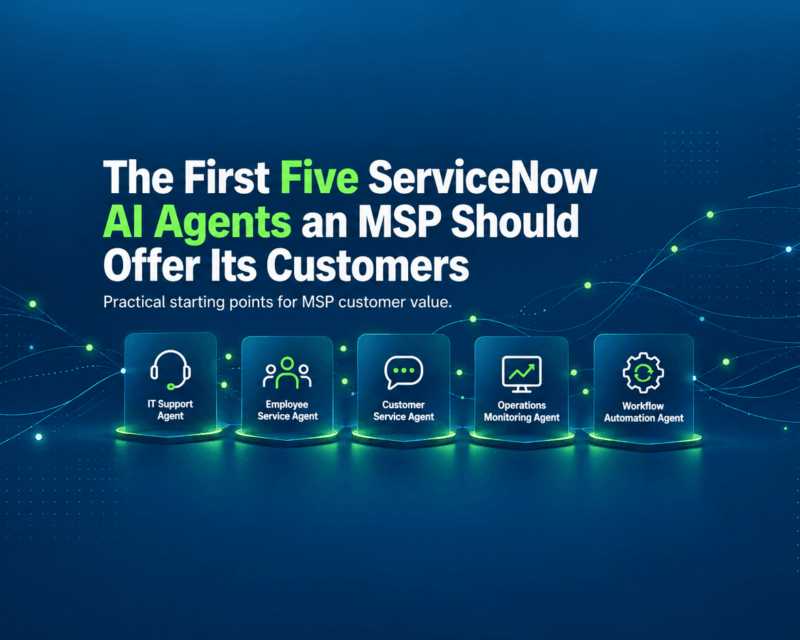
The First Five ServiceNow AI Agents an MSP Should Offer Its Customers
Managed service providers can now package ServiceNow AI agents as repeatable, recurring services — moving from ticket-response capacity to managed outcome delivery. Here is what the first five offerings look like, how each creates value, and what to get right before deploying them.
read more