Governance Topology in Healthcare: Securing AI and Data Workflows on ServiceNow
In recent decades, the global healthcare system has come a long way – from almost complete isolation in the technological aspect to the rapid development and implementation of AI technologies.
Thanks to the innovative possibilities of modern governance technologies, from now on, it becomes possible to significantly increase the efficiency and flexibility of data workflows in the healthcare sector.
Next, let’s discover the healthcare governance complexity, how is the integration of security operations carried out and what does ServiceNow governance healthcare offer for this, as well as what benefits Teiva provides for medical data agents.
The new complexity of healthcare governance
According to the freshest research performed by MarketsandMarkets, the international medical market for AI in healthcare IT will increase to $164 billion by 2030 with an average annual growth rate of 49 %.
Although, there are still some challenges in the way of widespread adoption of AI governance systems. The complexity of healthcare management is related to the large volume and diversity of patient data. Information is presented in different forms, each with its own format, storage requirements, and search methods.
Some problems of healthcare governance:
- Data storage. Common tools and systems cannot cope with the growing volume of information, which leads to data loss or slow access.
- Access to data. Delays in accessing crucial data can affect patient care, lead to errors in diagnoses or delayed treatment.
- Confidentiality and data security. One of the main problems is the possibility of unauthorized access to patients’ medical data.
A crucial task in the field of healthcare governance is to ensure compliance with regulations such as HIPAA compliance and GDPR healthcare. Organizations must ensure compliance with these regulations while protecting the confidentiality of patient data. This requires constant monitoring, reporting, and compliance audits to ensure that the organization meets all regulatory requirements.
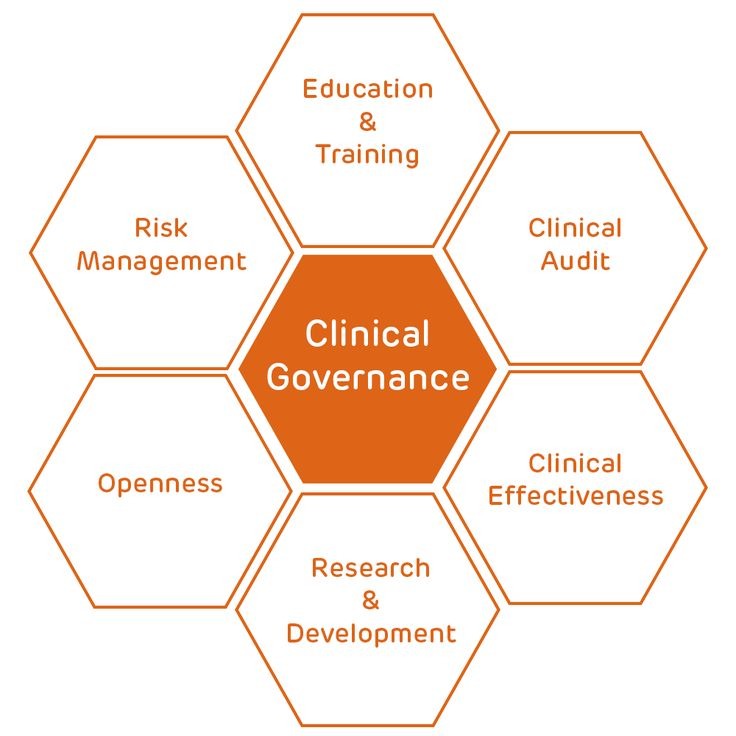
Mapping Governance Topology: who governs patient data and AI?
The management of patient data and artificial intelligence (AI) comes with a complex, multi-level system of international, national, and local authorities, with no single global authority responsible for oversight. Basic stakeholders are government regulatory bodies, healthcare facilities, and legal frameworks designed to protect patient privacy and ensure a high level of security.
Benefits of integration security operations with ServiceNow
ServiceNow governance healthcare can act as a compliance foundation by integrating security operations (SecOps) and integrated risk management (IRM) on a single site to present a unified view of ServiceNow Security Operations and compliance. Given integration enables continuous tracking, automated workflows, and simplified troubleshooting by linking security threats to broader business risks. It allows healthcare facilities to cope with vulnerabilities, respond to incidents, and provide regulatory compliance.
Features and benefits of patient consent automation
An example of automating patient consent with full audit tracking is the use of specialized medical information systems or standalone software solutions for electronic informed consent.
Benefits of the patient consent automation:
- Reduced errors. Minimizes the risk of losing paper documents or filling them out incorrectly.
- Efficiency. Speeds up the procedure of obtaining and processing consents.
- Transparency. It provides complete and reliable tracking of all stages of the process for audit and compliance purposes (compliance audit).
- Data protection workflows. The use of secure systems ensures the confidentiality of patient personal data.
Thanks to given functionality, the healthcare industry can succeed far ahead in a short period.

Teiva’s “ethical AI governance” for medical data agents
The healthcare sector faces the challenge of managing a huge amount of data, and it is crucial for organizations to use data management tools to ensure efficient data storage, clinical governance, and use.
Teiva provides its clients with ethical AI governance thanks to advanced ServiceNow tools and services. It is based on:
- Transparency and accountability.
- Fairness and reduction of bias.
- Privacy and data protection.
- Human-centered design.
- Compliance with regulatory standards.
- Cooperation of stakeholders.
Overall, creating a data-driven culture in the healthcare field requires a comprehensive and uniform data governance solution such as a data catalog that can help organizations manage their data effectively. Find out more details regarding ServiceNow healthcare on our website, or contact Teiva Systems managers for clarification on cooperation with us.
Kostya Bazanov, Managing Director, Dec 29, 2025
Eager to take the next step? Contact us today!
Latest Articles
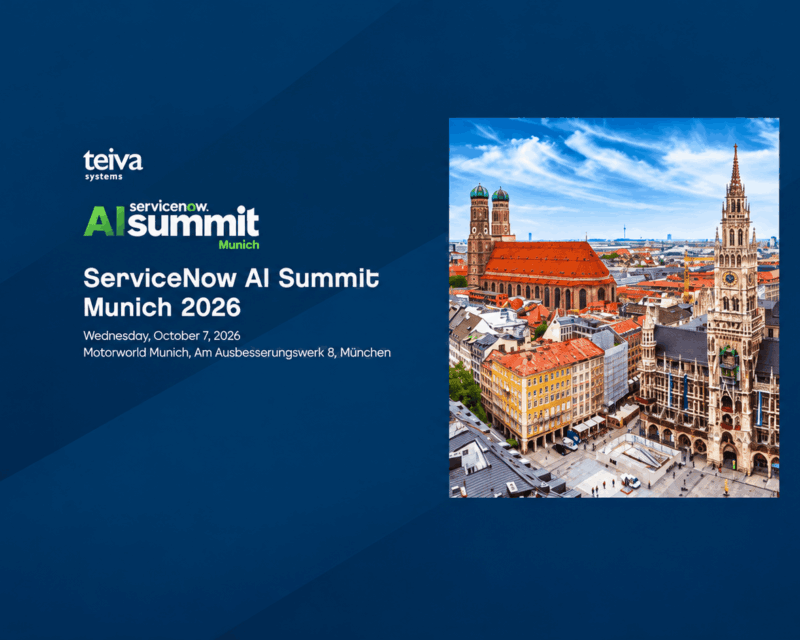
Teiva Systems at ServiceNow AI Summit 2026 — Munich
On October 7, 2026, Teiva Systems joined the ServiceNow AI Summit in Munich, where industry leaders, innovators, and the ServiceNow community came together to explore the next chapter of enterprise AI and intelligent automation.
read more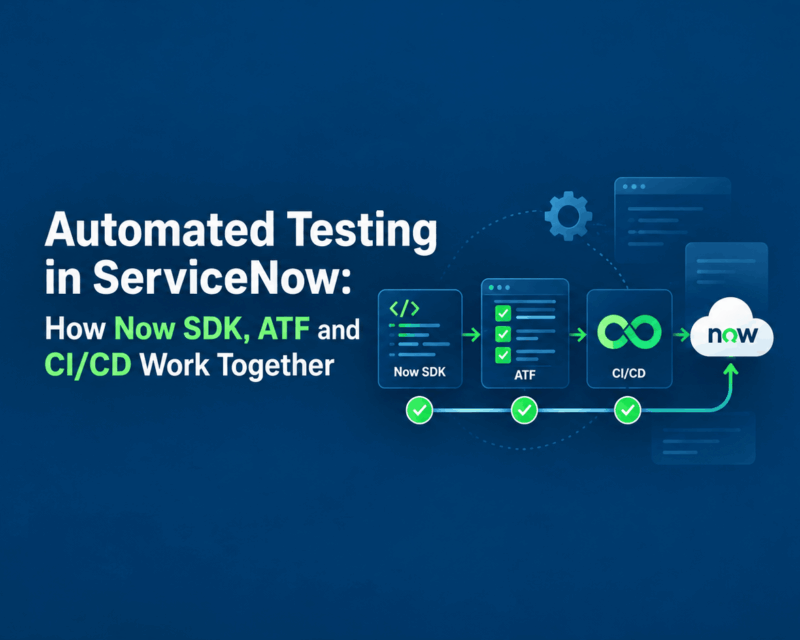
Automated Testing in ServiceNow: How Now SDK, ATF and CI/CD Work Together
Automated Testing in ServiceNow: How Now SDK, ATF and CI/CD Work Together Automated testing in ServiceNow is becoming more important, not because ATF or CI/CD are new concepts, but because the way they can work together is changing the development lifecycle itself. As ServiceNow moves toward a more source-driven engineering model, testing is becoming less […]
read more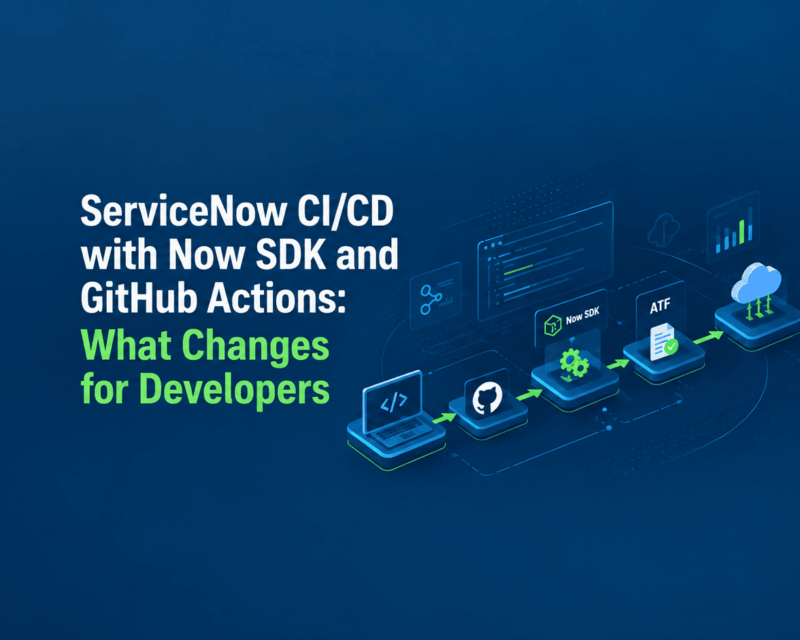
ServiceNow CI/CD with Now SDK and GitHub Actions: What Changes for Developers
The Now SDK connects ServiceNow application development to GitHub Actions CI/CD pipelines — bringing pull-request quality gates, automated ATF testing, and controlled release governance to a platform that has historically required its own isolated delivery process.
read more