
Knowledge 2026 starts in 1 day — here’s what every ServiceNow customer should watch
Jensen Huang on stage. The Australia Release unveiled. 700+ sessions. ServiceNow’s biggest event just opened — and this year, the theme isn’t aspirational. “Put AI to Work: The Agentic Era” is a declaration that the experimentation phase is over. Here’s what every enterprise needs to understand right now.

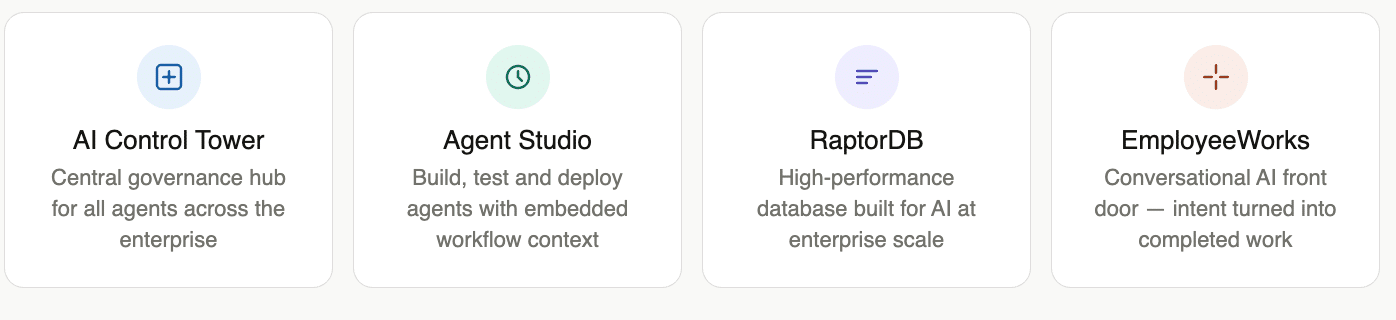
Every year, Knowledge delivers a wave of announcements. AI Agents. Agent Studio. AI Control Tower. RaptorDB. The demos will be impressive. The keynotes will be bold. And yes — the names on the main stage this year are extraordinary.
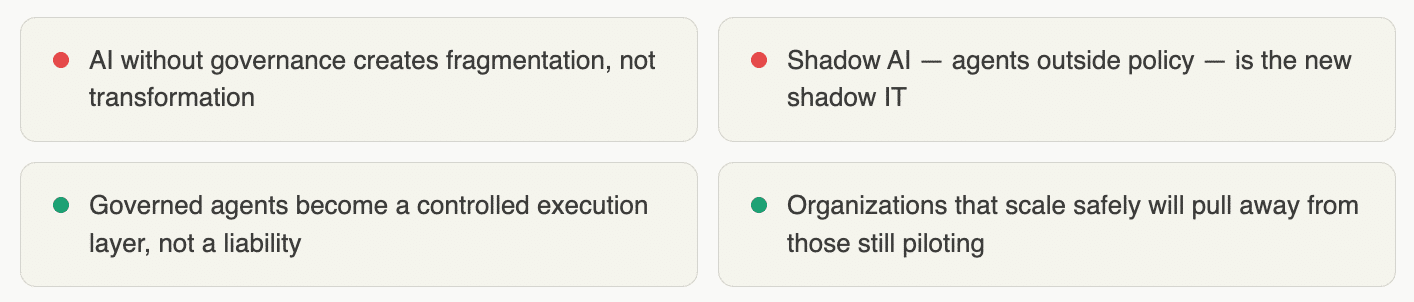
But if you’ve been following the ServiceNow ecosystem closely, you already know that the biggest challenge enterprises face isn’t building AI. It’s what comes after that. Control. Governance. Scale. That’s the real story at K26 — and it’s the one most people will miss while watching the demos.
“Most companies can create AI agents. Very few can manage them at enterprise scale.”
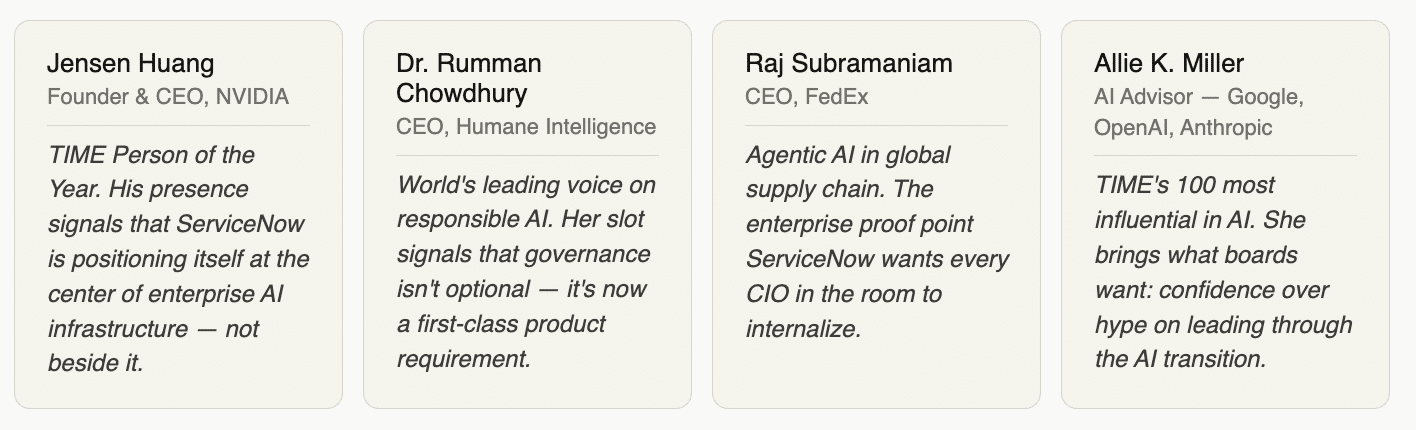
The speaker list tells you what ServiceNow is betting on
ServiceNow didn’t fill its main stage with product managers. The K26 lineup is one of the most deliberately constructed in the event’s history — read between the lines and it reveals exactly where the platform is heading.
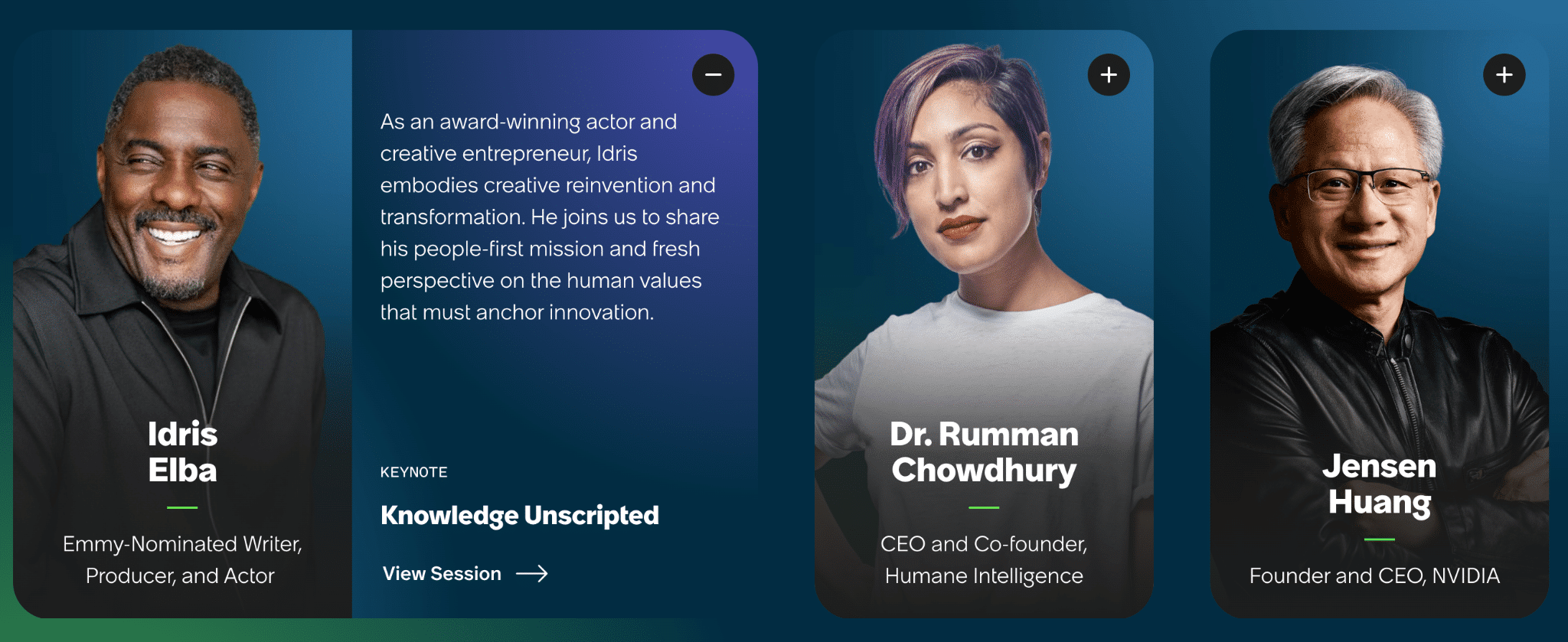
Three days. Three distinct bets. Here’s how to read the agenda
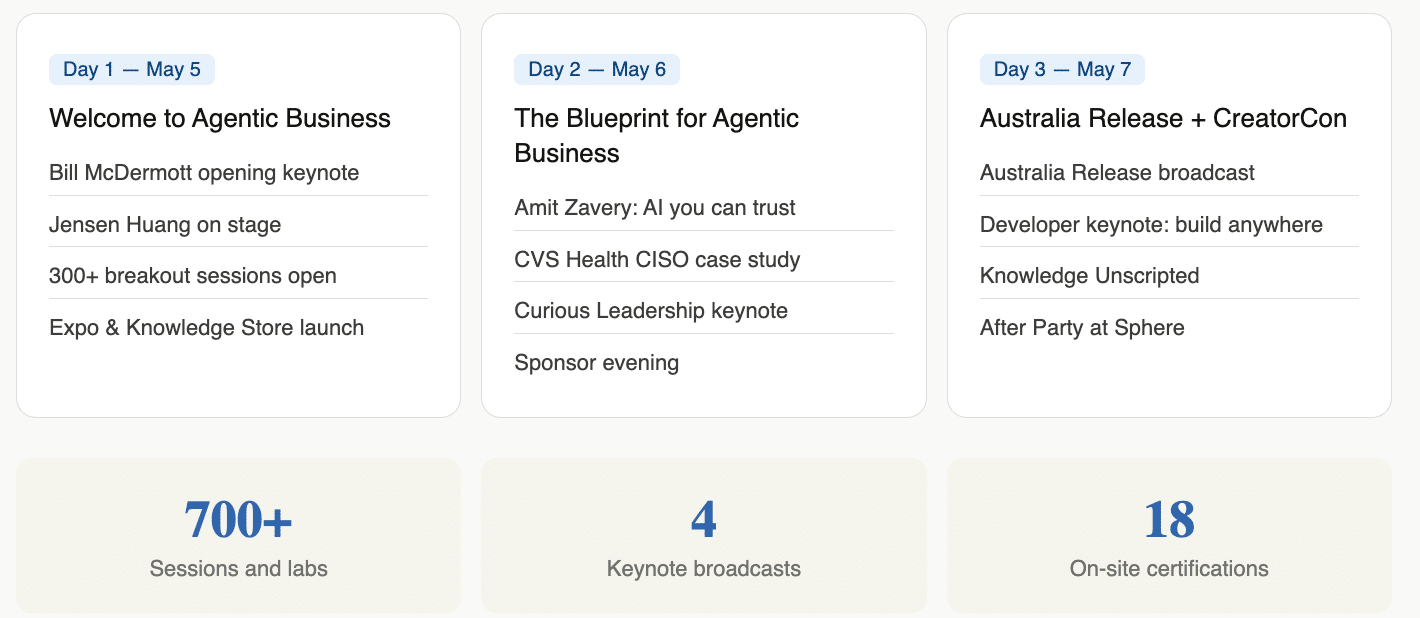
Why control beats capability in 2026
ServiceNow is making a deliberate bet at this year’s Knowledge — and it’s not the bet you’d expect from a platform that could simply tout the most capable agents.
Instead of racing to the frontier of AI intelligence, ServiceNow is racing toward something harder to copy: structure. Governed, auditable, enterprise-grade execution at scale.
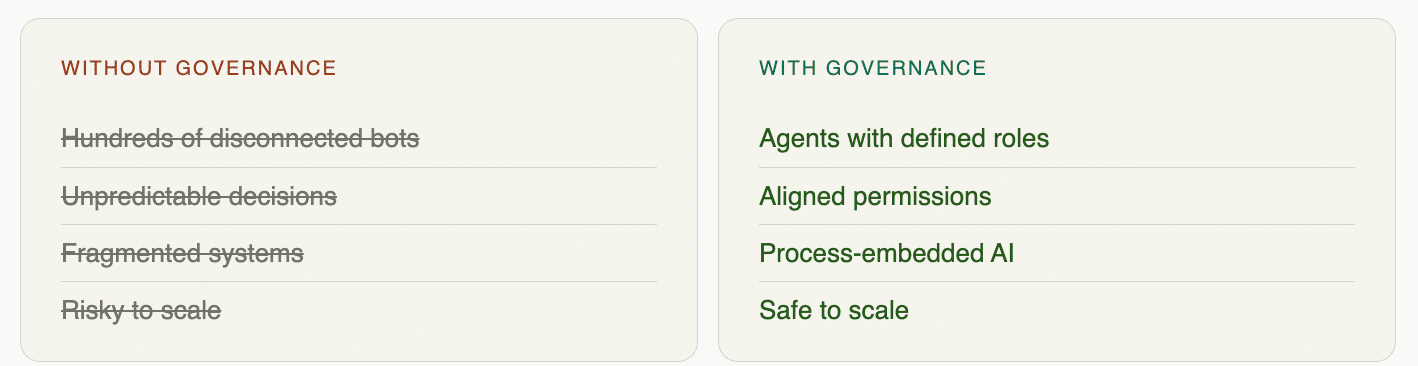
This turns AI from an experiment into infrastructure. And infrastructure is what enterprises actually need.
The four platform pillars to watch
The Australia Release is the biggest news nobody’s talking about
All eyes will be on AI Agents. But the real platform story at K26 is the Australia Release — ServiceNow’s latest major software update, formally unveiled on Day 3.

For platform owners and implementation teams, this is the release that matters most for your 2026 roadmap. It’s not a feature update. It’s a new operating model for how workflows function. And if your foundations — CMDB, CSDM, data quality — aren’t solid, new features won’t perform. They’ll underperform and erode trust in AI across the organization.
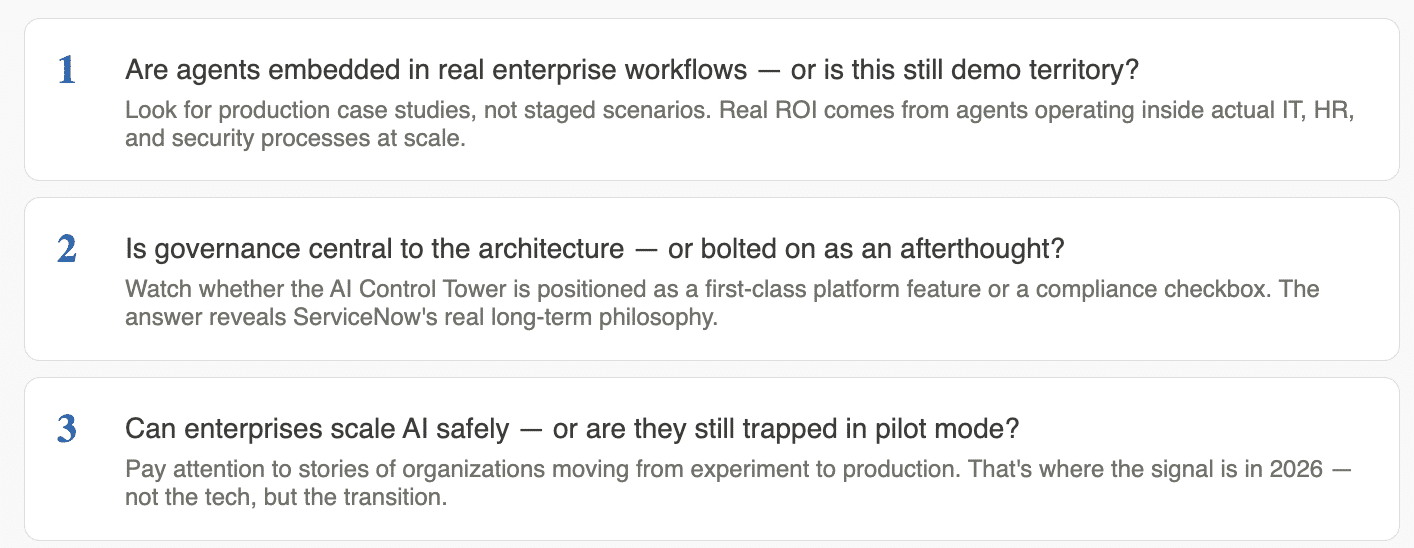
Three questions to filter everything you see at K26
When you follow the keynotes and sessions this week, cut through the noise with three questions:
Five actions every ServiceNow customer should take after K26
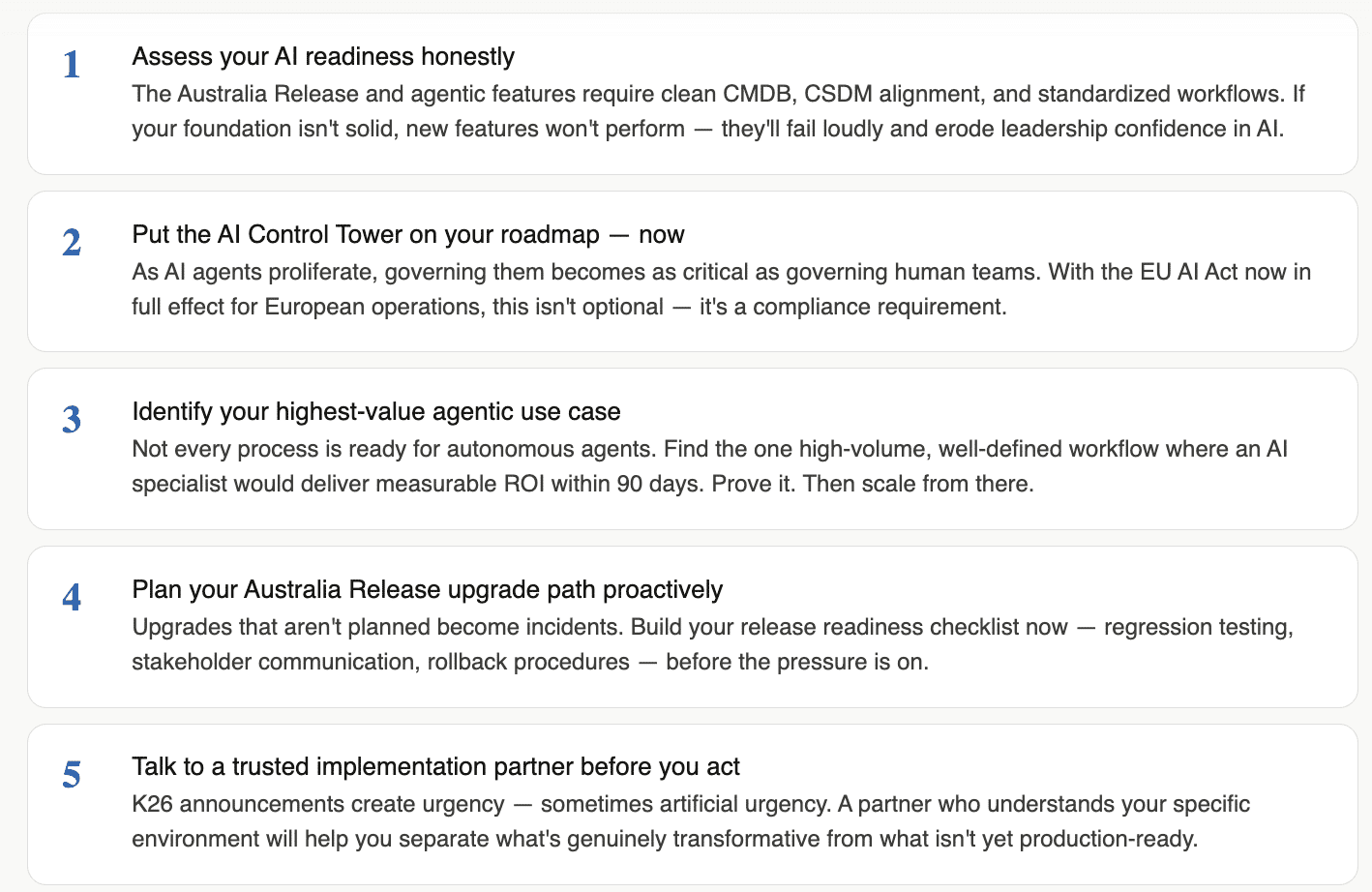
As Kostya Bazanov, Managing Director of Teiva Systems puts it:
“The real breakthrough with agentic AI is not the intelligence of individual agents, but the ability to orchestrate them within a governed enterprise system. Without that layer of control, you don’t have transformation — you have fragmentation. Knowledge 2026 is where ServiceNow proves it understands this. The question is whether your organization is ready to act on it.”
Kostya Bazanov, Managing Director, May 04, 2026
Eager to take the next step? Contact us today!
Latest Articles
ServiceNow AI ROI: What Should You Measure After the Pilot?
Your AI pilot worked. That proves the technology can work. It does not yet prove ROI. Here are the six metrics that separate “the demo impressed leadership” from “we can prove measurable business value.”
read more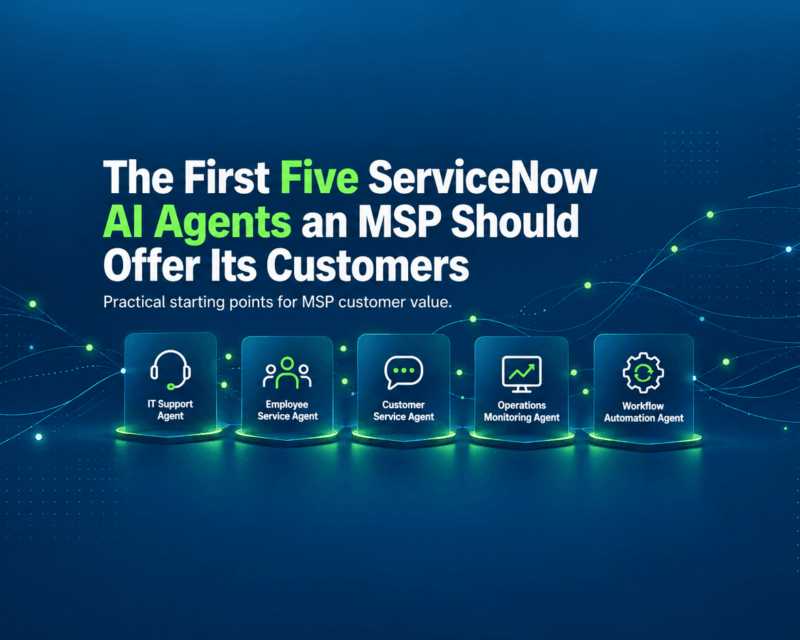
The First Five ServiceNow AI Agents an MSP Should Offer Its Customers
Managed service providers can now package ServiceNow AI agents as repeatable, recurring services — moving from ticket-response capacity to managed outcome delivery. Here is what the first five offerings look like, how each creates value, and what to get right before deploying them.
read more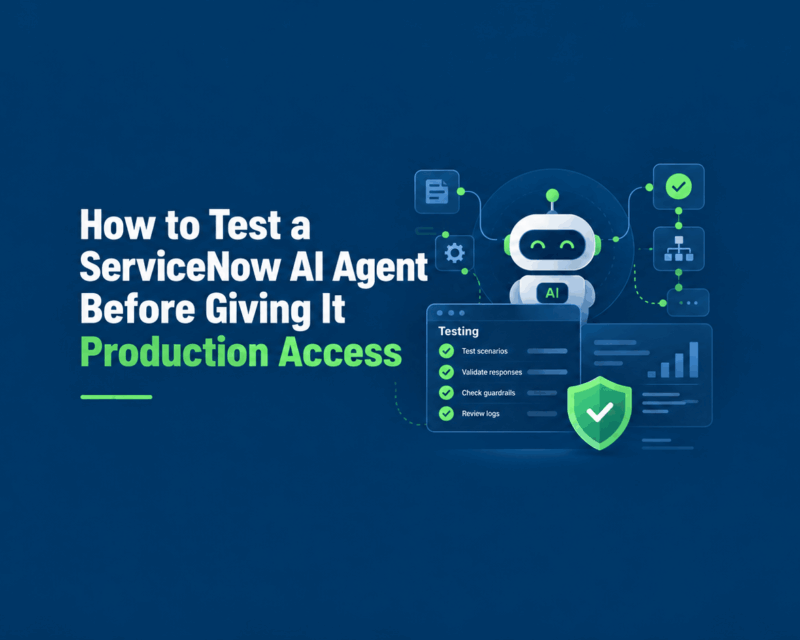
How to Test a ServiceNow AI Agent Before Giving It Production Access
A successful demonstration proves that an agent can perform a task under specific conditions. It doesn’t prove the agent will behave correctly when faced with incomplete data, conflicting instructions, restricted records, broken integrations, or unexpected user requests.
read more