
From Workflows to Conversations: How GPT-5.2 Is Redefining ServiceNow AI
Automation Has Learned to Converse
Automation is no longer just about getting tasks done — it’s about understanding intent, anticipating needs, and interacting naturally. With OpenAI’s GPT-5.2 embedded directly into the ServiceNow AI Platform, enterprise workflows take a major leap forward.
The result? Workflows that don’t simply react — they listen, respond, and collaborate. This is a fundamental shift in how work gets done, and it’s redefining what AI can deliver for modern enterprises.
Deep AI Integration with GPT-5.2
With GPT-5.2, ServiceNow moves beyond traditional assistive automation into truly generative, context-aware intelligence. Instead of rigid, step-by-step rules, GPT-5.2 can:
- Understand complex, cross-department workflows
- Generate actions and responses in real time
- Interact in natural, human-like ways — including voice
In practice, this means AI can interpret natural language, operate directly within business processes, and still comply with governance and regulatory requirements. For teams, it feels less like using a tool — and more like working with an intelligent collaborator that’s always on.
What This Means for Enterprises
GPT-5.2 is reshaping enterprise workflows in powerful, practical ways.
1. Voice-Enabled AI Interactions
One of the most transformative capabilities is voice-first AI. Employees can now speak to the system as naturally as they would to a colleague.
A manager might say, “Escalate this customer issue” or “Generate the monthly report” — and GPT-5.2 executes instantly. No forms. No menus. Just intent understood and action taken.
This is especially impactful for mobile teams and fast-paced environments where hands-free, real-time interaction removes friction.
2. Smarter Context Across Departments
GPT-5.2 maintains deep contextual awareness, adapting seamlessly to different enterprise domains:
- IT: Intelligent incident resolution and escalation
- HR: Personalized onboarding and employee support
- Finance: Approval workflows with built-in exception handling
- Customer Service: Faster resolutions and seamless escalations
The outcome is fewer errors, faster turnaround times, and interactions that feel intuitive — not transactional.
3. Human-Like Assistance That Drives Productivity
GPT-5.2 doesn’t just automate — it collaborates.
- Employees receive clearer, faster answers
- Repetitive work is handled autonomously
- Teams stay focused on strategic, high-value initiatives
Think of it as a digital team member available 24/7 — consistent, reliable, and always aware of the bigger picture.
ServiceNow × OpenAI: Powering the Next Generation of AI
This capability is the result of a multi-year strategic partnership between ServiceNow and OpenAI, aimed at making ServiceNow the preferred intelligence platform for generative AI.
Key capabilities include:
- Real-time speech-to-speech interactions
- Autonomous case creation, escalation, and approvals
- Context-aware AI that operates securely and compliantly
Together, these unlock a new level of enterprise automation — one that can converse, reason, and act.
Why This Matters Now
Announced in January 2026, this development marks a turning point for enterprise AI.
AI is no longer just a system that follows instructions — it’s an active participant in workflows. Employees spend less time navigating complex platforms and more time solving meaningful business challenges. Enterprises move from rigid processes to adaptive workflows that think, decide, and respond in real time.
Looking Ahead
Organizations adopting GPT-5.2 can expect:
- Faster decisions through autonomous insights and actions
- Improved employee experience with natural, human-like interactions
- Stronger customer engagement across voice and text channels
By combining deep contextual intelligence with conversational flexibility, GPT-5.2 transforms AI from a static assistant into a dynamic enterprise partner. The era of generative, adaptive AI has arrived — and ServiceNow is setting the pace.
For more details on the ServiceNow and OpenAI collaboration, see the official press release:
ServiceNow and OpenAI collaborate to deepen and accelerate enterprise AI outcomes
Slava Trotsenko, CEO, Feb 09, 2026
Eager to take the next step? Contact us today!
Latest Articles
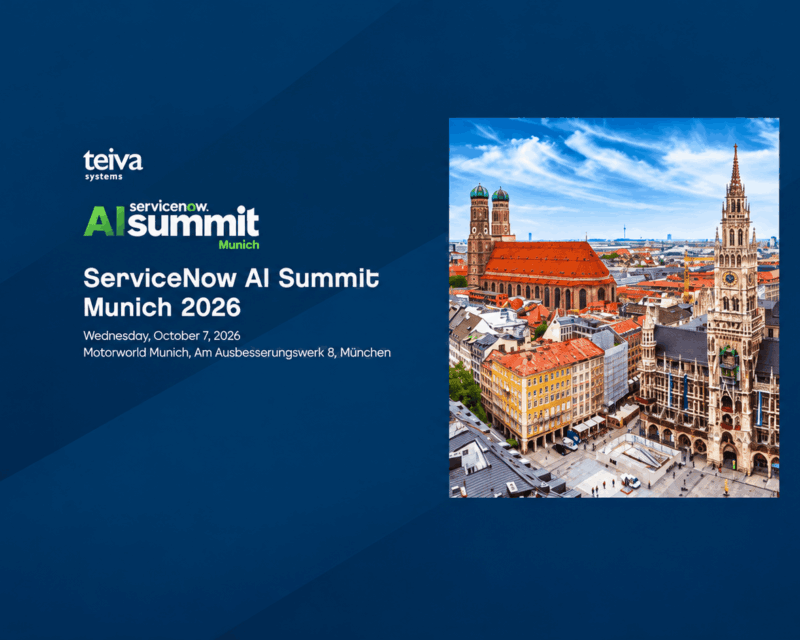
Teiva Systems at ServiceNow AI Summit 2026 — Munich
On October 7, 2026, Teiva Systems joined the ServiceNow AI Summit in Munich, where industry leaders, innovators, and the ServiceNow community came together to explore the next chapter of enterprise AI and intelligent automation.
read more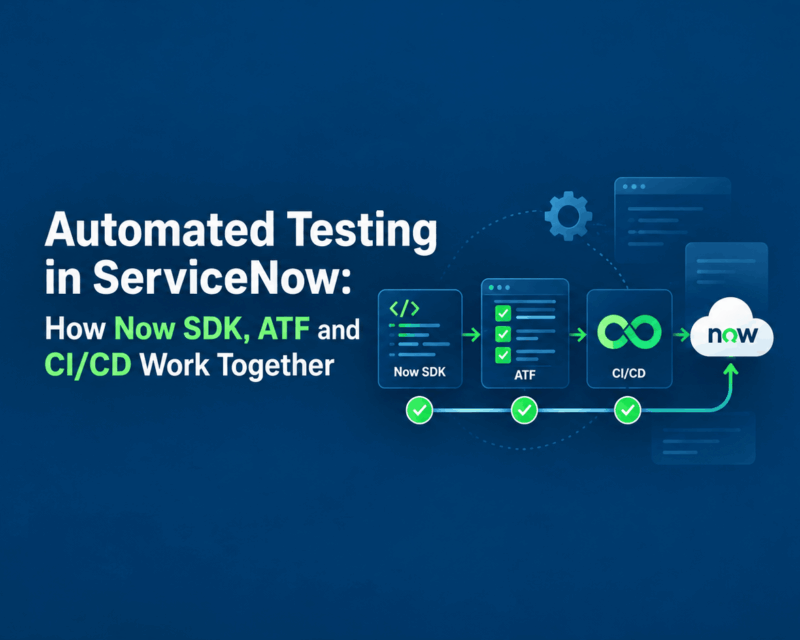
Automated Testing in ServiceNow: How Now SDK, ATF and CI/CD Work Together
Automated Testing in ServiceNow: How Now SDK, ATF and CI/CD Work Together Automated testing in ServiceNow is becoming more important, not because ATF or CI/CD are new concepts, but because the way they can work together is changing the development lifecycle itself. As ServiceNow moves toward a more source-driven engineering model, testing is becoming less […]
read more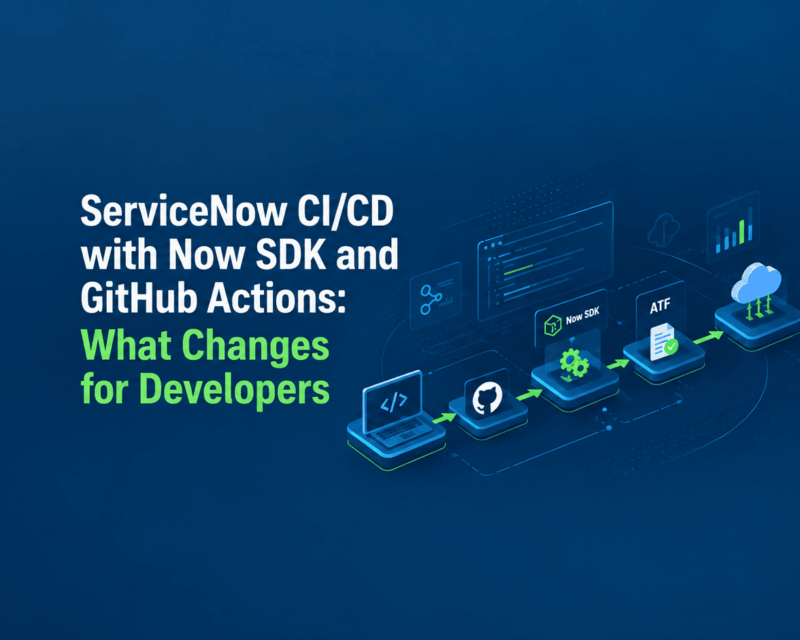
ServiceNow CI/CD with Now SDK and GitHub Actions: What Changes for Developers
The Now SDK connects ServiceNow application development to GitHub Actions CI/CD pipelines — bringing pull-request quality gates, automated ATF testing, and controlled release governance to a platform that has historically required its own isolated delivery process.
read more