
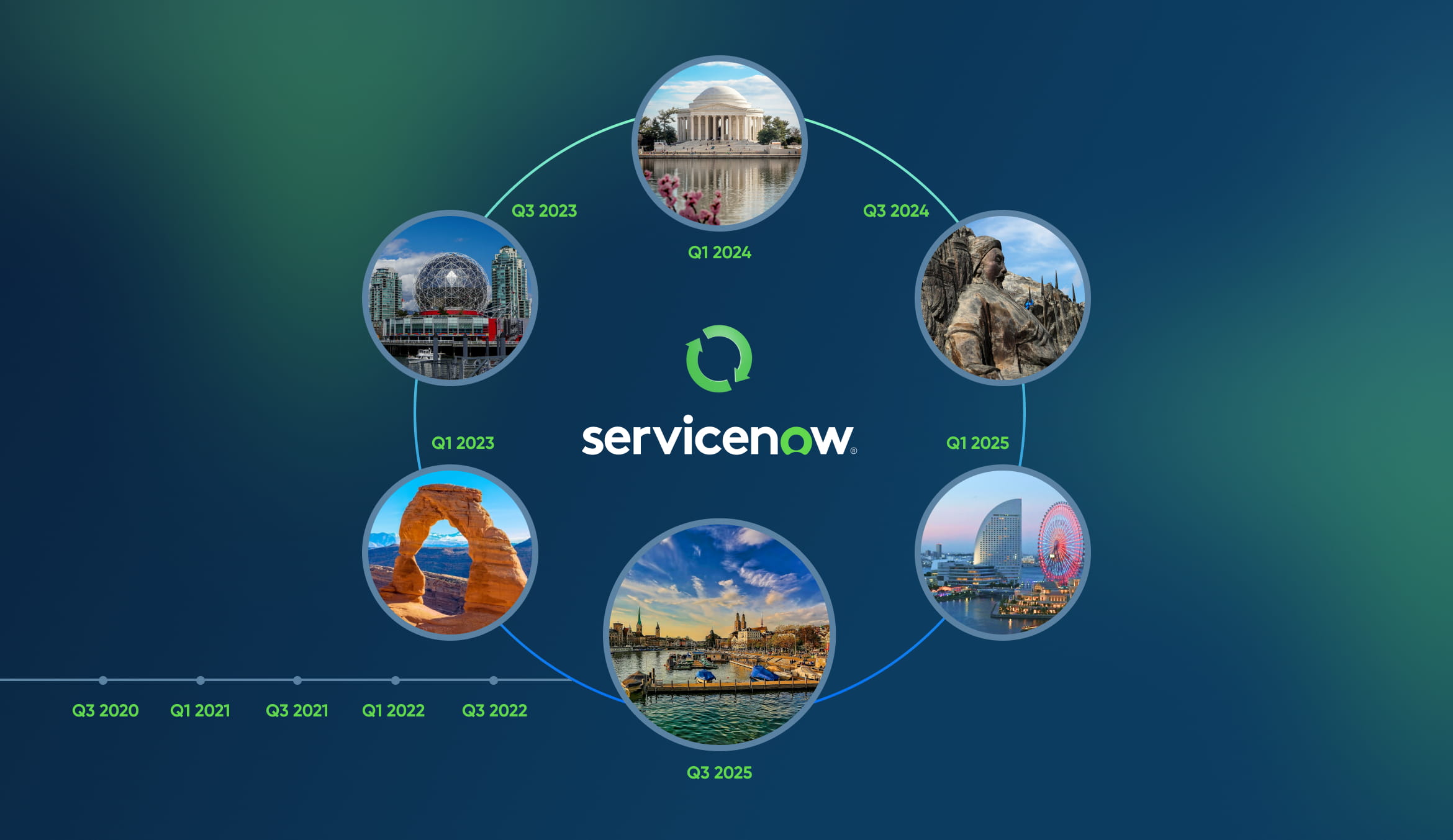
How to Prepare Your Organization for a ServiceNow Release
When ServiceNow changes, ripple effects move fast – beyond only code updates. Readiness requires a sharp look at each utility involved. Clarity on roles matters – so handoffs between groups run smoothly.
When releases launch without thought, tasks stack fast. Operations drag under the weight. Fixing things nonstop becomes normal – no real steps get made. New teams feel it most, hoping to push ahead but kept back. So, in order to prepare for ServiceNow release properly, you need a clear strategy that focuses on stability and further long-term platform growth.
Why ServiceNow releases require preparation
When a fresh ServiceNow version drops, it usually packs upgrades aimed at improving performance. Yet small adjustments can quietly alter operations within your environment – workflows may drag, links become messy, or options behave in unexpected ways. Oddly enough, quiet updates often stir the most movement, particularly if your version operates under heavily customized code.
Should things shift, being ready allows teammates to understand what’s different. Such readiness makes them consider risks too. Because of that, changes feel less rushed, more considered.
When done correctly, preparation improves overall release readiness and turns the upgrade into an opportunity rather than a threat.
Differences between technical and organizational readiness
Ready tech means looking at the tool itself. Check what’s new in the release notes, if it works with existing systems, then confirm any tweaks made well. Focusing here tends to be what IT groups do first.
What matters most in an organization isn’t just tools or systems – it’s how folks react and adapt. When staff grasp new directions clearly, adjustments tend to stick better. Even flawless tech deployments risk stumbling where human experience lags behind.
Key preparation steps before a release
Faster changes do not always mean better choices when they go off track. A strong approach to ServiceNow upgrade preparation usually includes the following steps:
- Take a look at the shifts and personal touches of your setup, then sort those items based on how much damage they could cause.
- Check if your current connections still work fine.
- Set up checkpoints, assign tasks, and then map when things need to happen.
- Plan resources and capacity. This stage forms the backbone of your upgrade planning and ensures that teams are not overloaded.
- Prepare the non-production environments. Set up and validate environments for testing and training.
- Evaluate how each platform change could influence business processes and performance.
What begins can reveal how pieces connect, influencing tasks as due dates loom closer. Where gaps exist, issues tend to follow later on – seeing clearly up front helps avoid delays.
Roles and responsibilities during release preparation
Some hold control, shaping each step without any questions. If changes ripple across the sector, those at the top study the new developments – only then do corrections arrive. As guidance tilts, adjustments mirror their actions exactly. Once folks test the changes, they check if things actually run smoothly from then on.
Right from the start, scheduling happens automatically because release coordinators keep things moving without delay. Once each team understands their role, coordination between them happens smoothly – no backlog forms in unintended spots.
Testing and communication are the best practices
High-quality ServiceNow testing ensures that business scenarios work as expected from start to finish. Besides reviewing how code is built, folks actually want to know it behaves as expected. When it comes to testing, business users should join in – their firsthand experience often reveals issues automated systems miss.
Start by discussing how people talk to each other from the beginning. Let folks know about changes coming their way early, explain what gain they get from the launch, show them what variations exist. Simple checklists help. The group gets notified. Short trial sessions come before real use. Confidence grows step by step. Knowing what comes helps someone get ready more clearly.
How early preparation reduces risk
Big choices early on make it easier to react fast when something goes wrong. Responses come quicker because everyone – builders, thinkers, voices – can actually listen without delay. From there, fixing gets less about cleaning up and more about strengthening what comes next. Even before issues appear, improvements take root.
Here is what Teiva brings that actually matters. Its advisors mix sharp knowledge of software with firsthand awareness of how companies move. Starting off feels less daunting since they walk teams past tough choices – each move ties back to well-defined goals.
Oleksii Konakhovych, CTO, Mar 02, 2026
Eager to take the next step? Contact us today!
Latest Articles

Teiva Systems at ServiceNow AI Summit 2026 — Munich
On October 7, 2026, Teiva Systems joined the ServiceNow AI Summit in Munich, where industry leaders, innovators, and the ServiceNow community came together to explore the next chapter of enterprise AI and intelligent automation.
read more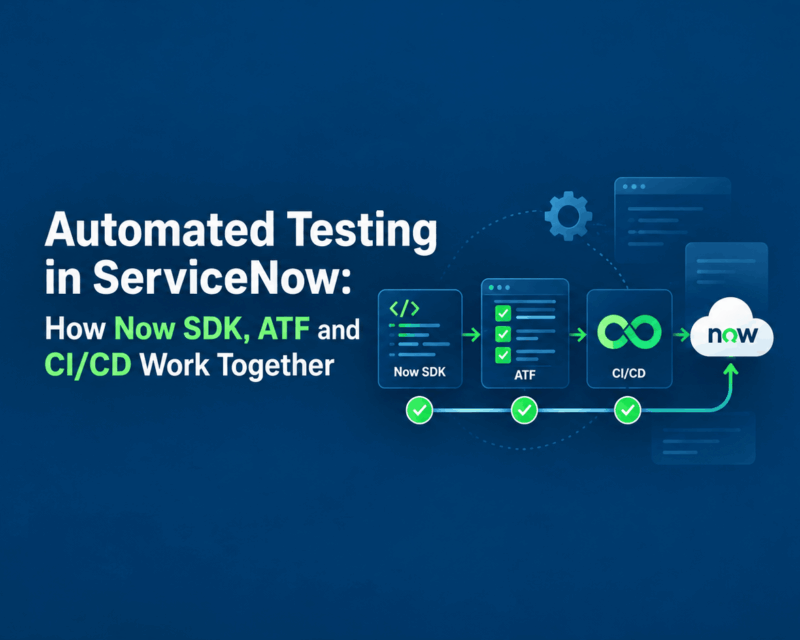
Automated Testing in ServiceNow: How Now SDK, ATF and CI/CD Work Together
Automated Testing in ServiceNow: How Now SDK, ATF and CI/CD Work Together Automated testing in ServiceNow is becoming more important, not because ATF or CI/CD are new concepts, but because the way they can work together is changing the development lifecycle itself. As ServiceNow moves toward a more source-driven engineering model, testing is becoming less […]
read more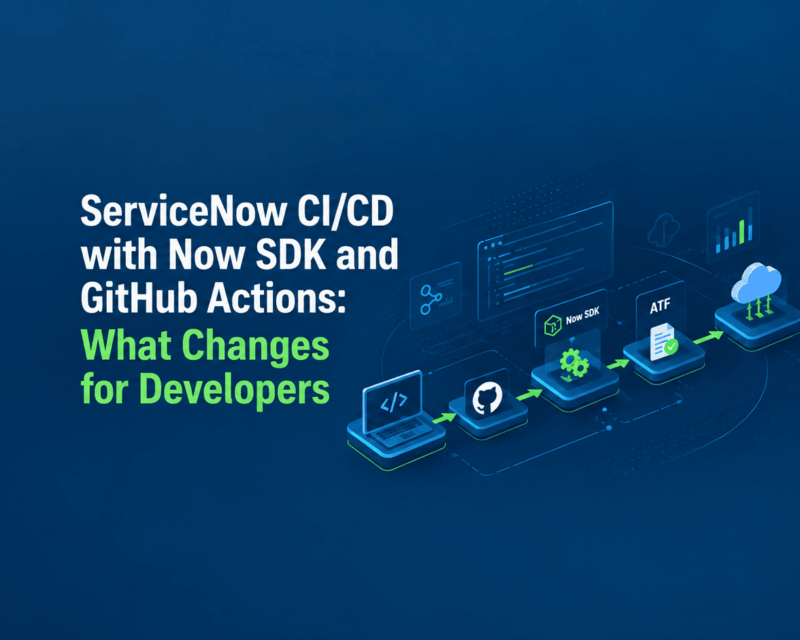
ServiceNow CI/CD with Now SDK and GitHub Actions: What Changes for Developers
The Now SDK connects ServiceNow application development to GitHub Actions CI/CD pipelines — bringing pull-request quality gates, automated ATF testing, and controlled release governance to a platform that has historically required its own isolated delivery process.
read more