
Integrating Agentic AI into Your ServiceNow Ecosystem: A Practical Guide
The capabilities of Agentic AI fascinate everyone who consider efficient ServiceNow AI & automation in apps. It’s predicting, decision-making, and performance capabilities can easily automation numerous processes, that’s why it’s predicted to resolve around 80% of common customer service issues.
ServiceNow integration services can help your enterprise take a huge step closer to workflow automation. We prepared this step-by-step guide on how to integrate Agentic AI for your digital workflow solutions.
1. Proper Planning
We recommend you avoid trying the ServiceNow process automation strategy based on AI into those processes that don’t even need the involvement of artificial intelligence. First, complete a thoughtful planning and identify spots where the Agentic AI integration will bring actual benefits. This is common for processes that require to much manual effort or involve repetitive tickets.
Also, consider that Agentic AI isn’t perfect yet. Some strategic and complex decisions might still require a human oversight. So, take from 1 to 2 weeks to spot the most relevant areas for the Agentic AI integration.
2. Training
Once you’ve studied and planned everything, you can get to the second stage and start training your Agentic AI model. However, when it comes to ServiceNow automation & RPA solutions, it’s important to make sure that all data you’re going to provide is:
- structured — organize everything in a clear manner for faster machine learning;
- cleaned — put away all the unnecessary data that might potentially affect the performance results;
- well-ordered — historical data should be studied very thoroughly because all the past human errors might be replicated by Agentic AI if data aren’t ordered well.
3. Pilot ServiceNow Workflow Automation
When it comes to ServiceNow Predictive Intelligence integration, ServiceNow API integration, and implementation of other AI agents, it’s important to test your pilot strategy in a controlled environment of a specific enterprise unit. This will give you an insight on what should be optimized and fixed.
4. Integration
Once for preparatory stages are complete, get down to the ServiceNow cloud-based virtual agent integration. When done carefully, this process usually takes around 3 weeks.
See the table below to understand the approximate period required for the complete ServiceNow Agentic AI integration.
| Stage | Action | Time Needed |
| 1 | Planning | 1 week |
| 2 | AI Agent Training | 2-3 weeks |
| 3 | Pilot Integration | 2-3 weeks |
| 4 | Integration | 3 weeks |
Slava Trotsenko, CEO, May 03, 2025
Eager to take the next step? Contact us today!
Latest Articles
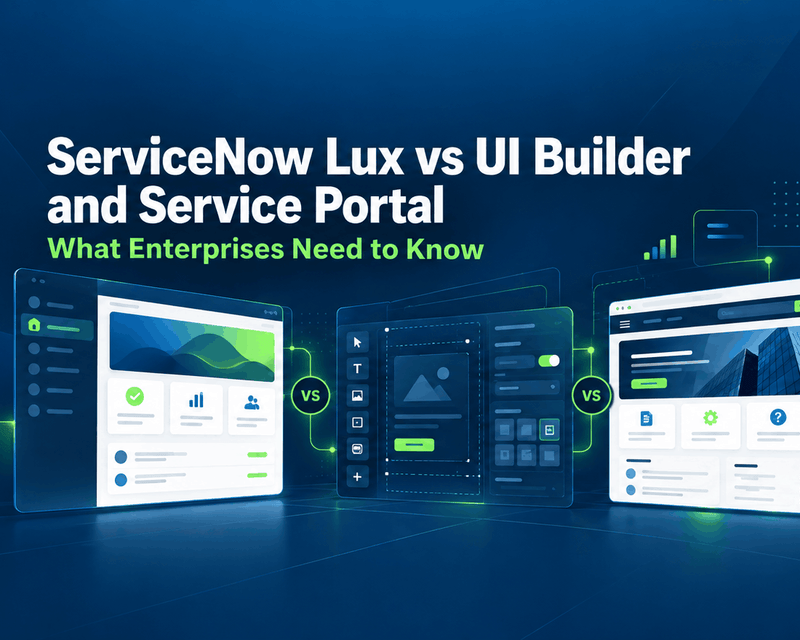
ServiceNow Lux vs UI Builder and Service Portal: What Enterprises Need to Know
Does Lux replace UI Builder or Service Portal? Short answer: no. The full answer depends on what you are building. The way enterprises build experiences on ServiceNow is changing. For years, Service Portal has handled employee and customer self-service, while UI Builder has powered modern workspaces and configurable applications.
read more
Teiva Systems at ServiceNow World Forum 2026 — London
On October 20, 2026, Teiva Systems attended ServiceNow World Forum London at ExCeL London, where industry leaders, technology experts, and the ServiceNow community came together to explore how AI, intelligent automation, and digital workflows are transforming enterprise operations.
read more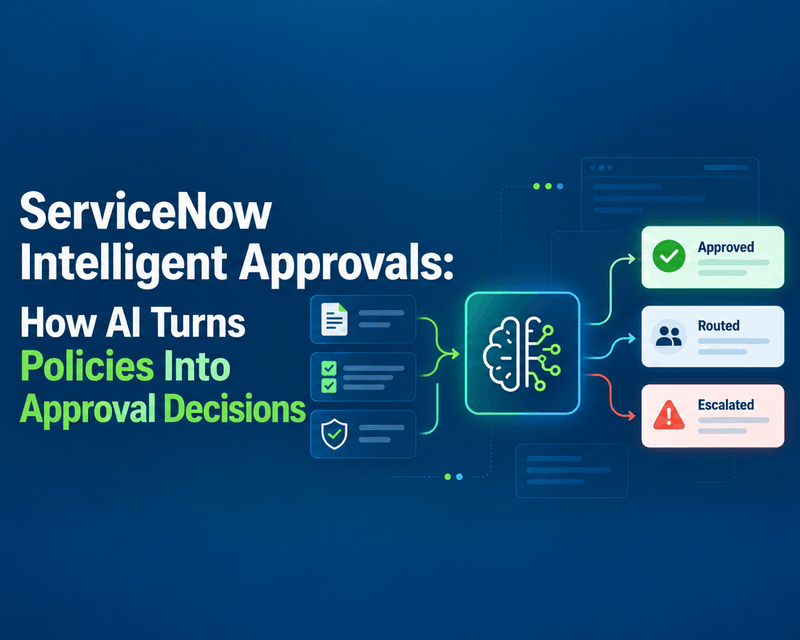
ServiceNow Intelligent Approvals: How AI Turns Policies Into Approval Decisions
What if your approval policies could make decisions, instead of sitting in documents waiting for someone to interpret them? For years, approval automation has followed the same pattern. Business teams write policies. Developers translate them into workflow conditions. Employees wait for someone to approve or reject their request, even when the outcome is obvious.
read more